What CNC Means and Computer Numerical Control Technology Fundamentals
CNC stands for Computer Numerical Control representing automated manufacturing technology utilizing computer programming to operate machine tools and control production processes with precision accuracy exceeding manual machining capabilities. CNC machines interpreting digital design specifications execute complex metal cutting, shaping, and finishing operations producing sheet metal parts and stamping metal parts meeting strict dimensional tolerances and quality standards. Modern CNC technology incorporating advanced control systems, multiple axis movement, and real time monitoring revolutionized metal parts manufacturing enabling cost effective production of complex geometries and high volume production runs.
CNC technology fundamentally transforms manufacturing processes by replacing manual operator control with computer algorithms executing predetermined machining sequences with consistent precision. Programming languages translating engineering designs into machine instructions enable automated production cycles reducing human error and production variability while supporting rapid design modifications and tooling adjustments.
Precision Control
Tolerances within 0.001 inch accuracy
Automated Operation
Continuous production without manual intervention
Design Flexibility
Complex geometries and intricate part designs
Production Efficiency
Rapid setup and tool changing capabilities
CNC Machine Types and Equipment Configurations
Diverse CNC machine configurations serving different manufacturing requirements include milling machines, turning centers, drilling systems, and specialized equipment enabling versatile metal parts production.
CNC Milling Machines and Multi Axis Systems
CNC milling machines featuring 3 to 5 axis movement capabilities enable complex part production including contoured surfaces, internal cavities, and intricate geometric features. Advanced systems with simultaneous multi axis control optimize production cycles reducing manufacturing time and improving part quality through coordinated motion control.
CNC Turning Centers and Lathe Technology
CNC turning centers automating cylindrical part production deliver rapid rotation speeds up to 10000 revolutions per minute enabling efficient material removal and surface finishing. Live tooling capabilities integrating drilling and milling functions into turning processes support complete part production within single equipment setup reducing handling and setup time.
CNC Drilling and Punching Systems
Specialized CNC drilling machines creating precise holes and CNC punching systems forming perforations in sheet metal parts support high volume production of standardized hole patterns and geometries.
Laser Cutting and Waterjet Systems
Computer controlled laser cutting and waterjet equipment enabling non contact material removal achieve sharp edges and complex profiles without thermal distortion or material waste.
Sheet Metal Parts Manufacturing and Production Processes
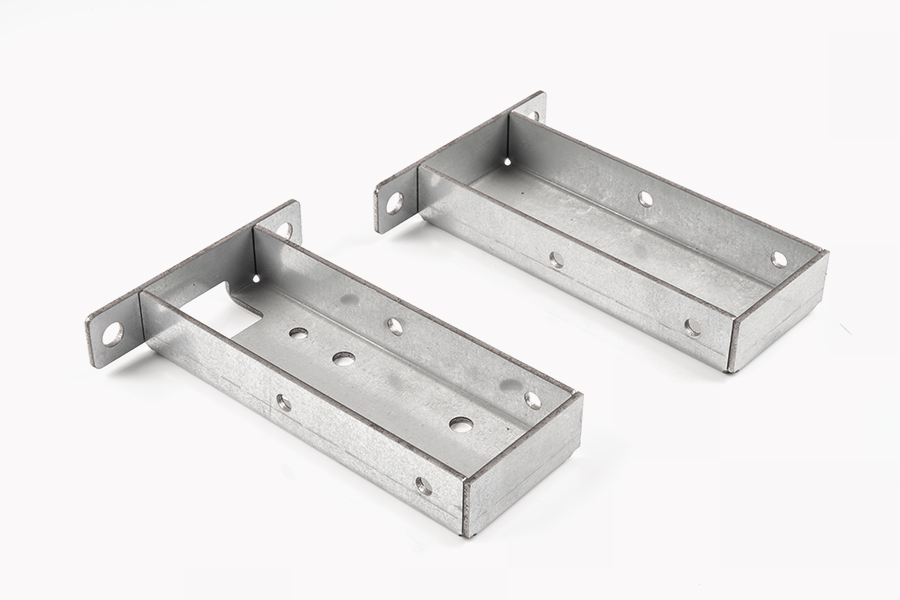
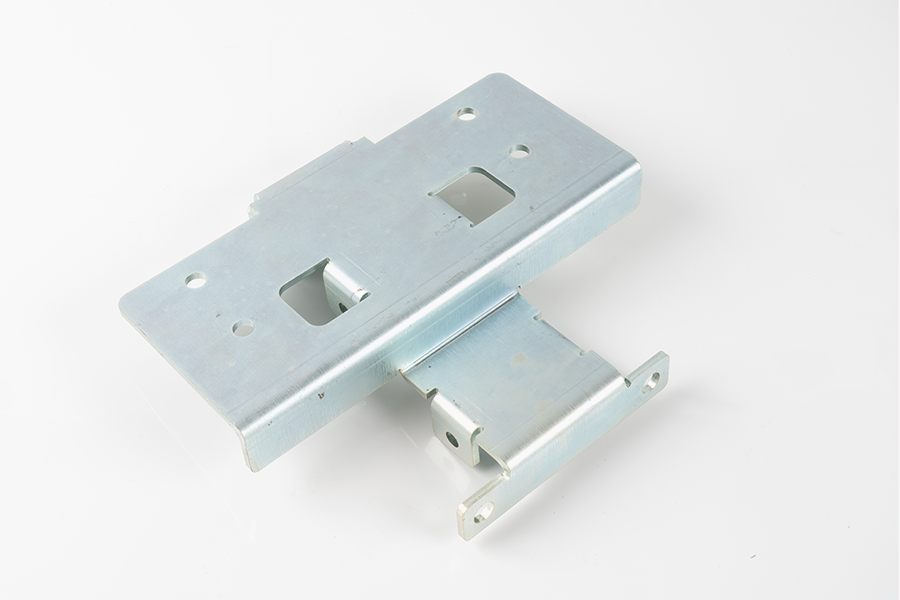
Sheet metal parts represent fundamental components across automotive, aerospace, electronics, and industrial equipment industries utilizing flat metal stock shaped into finished parts through cutting, bending, and forming operations. Sheet metal manufacturing combining CNC technology with specialized equipment delivers precise dimensional accuracy and surface quality meeting stringent industry specifications.
Sheet Metal Stock Materials and Thickness Specifications
Common sheet metal materials including cold rolled steel, stainless steel, aluminum alloys, and copper provide diverse properties supporting applications from structural components to decorative trim. Sheet thickness ranging from 0.032 to 0.250 inches accommodates diverse load bearing requirements and fabrication processes.
CNC Shearing and Cutting Operations
CNC shearing machines and laser cutting systems remove waste material and establish precise part outlines enabling efficient material utilization and accurate dimensional control. Automated nesting software optimizing cutting layouts minimize scrap waste reducing material costs by 10 to 20 percent compared to manual cutting approaches.
CNC Bending and Forming Processes
Computer controlled bending press brakes achieving repeatable bend angles and radii produce three dimensional parts from flat sheet stock through precise tool positioning and angle control. Multiple bend sequences creating complex shapes require sophisticated programming and fixture design ensuring accurate part geometry.
Welding and Assembly Integration
CNC controlled welding systems joining sheet metal components with consistent quality and repeatability support complex assemblies and multi component structures.
Common sheet metal materials and typical mechanical properties for manufacturing applications
| Material Type |
Tensile Strength |
Common Thickness |
Primary Applications |
| Cold Rolled Steel |
40000 to 50000 psi |
0.05 to 0.25 inches |
Structural components |
| Stainless Steel 304 |
70000 to 85000 psi |
0.032 to 0.25 inches |
Medical and food equipment |
| Aluminum 6061 |
40000 to 45000 psi |
0.032 to 0.125 inches |
Aerospace and automotive |
| Copper and Brass |
30000 to 50000 psi |
0.032 to 0.125 inches |
Electrical and decorative |
Stamping Metal Parts Production Technology and Applications
Stamping metal parts represents high speed manufacturing process utilizing shaped dies and mechanical or hydraulic presses transforming flat sheet metal into finished parts through single or multiple impact strokes. Metal stamping delivering rapid production cycles of hundreds to thousands of parts per hour enables cost effective manufacturing of high volume standardized components.
Stamping Press Types and Power Classifications
Mechanical presses utilizing rotating crankshaft mechanisms deliver 50 to 5000 ton forming forces with stroke rates of 30 to 1500 strokes per minute optimizing production speed for high volume runs. Hydraulic presses providing variable stroke velocity and dwell time enable complex forming sequences and material flow control producing parts with reduced material waste.
Die Design and Tool Engineering
Progressive die systems incorporating multiple operation stages within single tool assembly enable complete part production within continuous feeding cycles improving efficiency and reducing production cost per unit. Precision die construction maintaining tight tolerances ensures consistent part quality throughout production run lifespan spanning millions of cycles.
Stamping Operations and Forming Techniques
Punching operations create holes and perforations, bending forms angles and complex shapes, drawing produces three dimensional parts from flat stock, and coining creates precise geometric features and surface details. Combination operations integrating multiple forming actions within single press stroke optimize cycle time and material utilization.
Stamping Materials and Material Selection
Stampable metals including mild steel, stainless steel, aluminum, and copper alloys provide diverse material properties supporting structural requirements, corrosion resistance, and electrical conductivity applications. Material formability ratings determining feasibility of complex forming operations guide die design and process parameter selection.
Finish and Secondary Operations
Post stamping operations including deburring, heat treating, plating, and surface finishing complete part manufacture meeting aesthetic and functional specifications.
CNC versus Traditional Manufacturing Comparison and Advantages
CNC manufacturing delivering precision control and production flexibility provides significant advantages over traditional manual machining supporting modern manufacturing requirements.
Precision and Dimensional Accuracy Standards
CNC equipment maintaining dimensional tolerances within 0.0005 to 0.001 inch consistently throughout production runs compared to 0.005 to 0.010 inch typical manual machining capabilities. Superior accuracy reducing scrap rates and improving product quality justifies CNC technology investment through operational efficiency gains.
Production Efficiency and Cost Reduction
CNC automation reducing operator involvement enables single technician management of multiple machines increasing labor productivity by 200 to 400 percent compared to manual operations. Reduced cycle times through optimized tool paths and automated tool changes lower production cost per unit by 20 to 50 percent depending on part complexity.
Design Flexibility and Rapid Prototyping
CNC flexibility enabling rapid programming changes from CAD designs facilitate design modifications and prototype development reducing time from concept to production by 50 to 70 percent. Quick tooling changes supporting production of diverse part variations enable responsive manufacturing meeting market demands.
Quality Consistency and Defect Reduction
Integrated manufacturing combining CNC precision with stamping volume capability addresses diverse market requirements



 Eng
Eng 
 中文简体
中文简体
 Home / News / Industry News / What CNC Means, Sheet Metal Parts Manufacturing, and Stamping Metal Parts Production: Complete Technical Guide
  2026.07.30
 Industry News

 Company Profile
 +86-189-57809418
 Zouxi Village, Tangxi Town, Yinzhou District, Ningbo City, Zhejiang Province, China
