


 Eng
Eng 
 中文简体
中文简体
 Home / News / Industry News / Why Is Precision Sheet Metal Fabrication the Backbone of Modern Manufacturing?
 Why Is Precision Sheet Metal Fabrication the Backbone of Modern Manufacturing?
 2026.02.26
 Industry News
How Does the Fabrication Process Ensure the Accuracy of Sheet Metal Parts?
What are the fundamental steps involved in creating high-quality Sheet Metal Parts? The journey from a raw metal slab to a finished product is a sophisticated sequence of events. The fabrication process typically involves precision cutting, bending, and assembly to achieve the desired specifications and functionality of the final product.
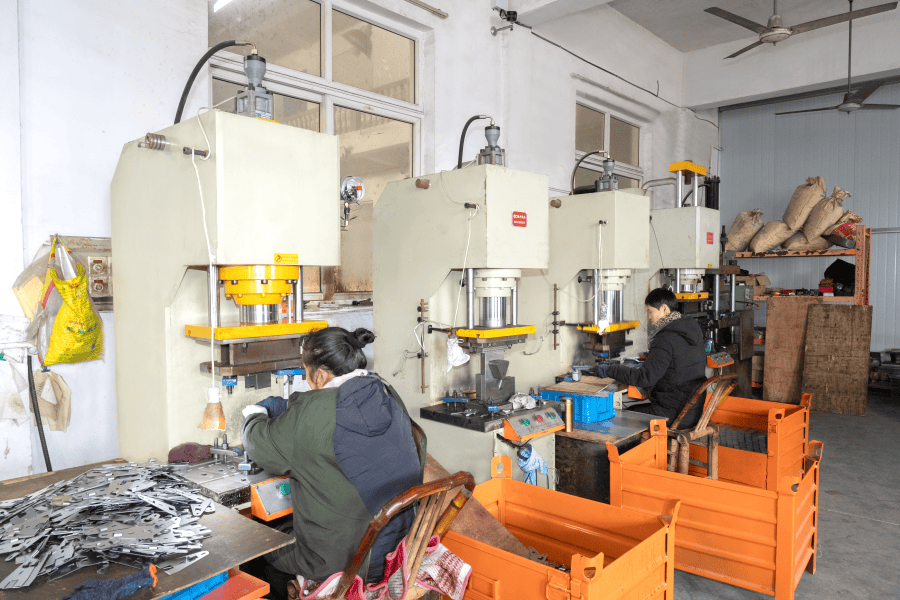
Each step is governed by strict tolerances. Precision cutting, using advanced tools such as lasers or water jets, ensures that the initial "blank" is perfectly sized. Bending, performed with high-pressure presses and dies, gives the part its three-dimensional form. Finally, assembly techniques like welding or riveting bond the pieces together. This comprehensive workflow is what allows for the mass production of consistent, high-strength components that fit perfectly into larger mechanical systems.
Why Is Laser Cutting the Preferred Method for Precision Sheet Metal Parts?
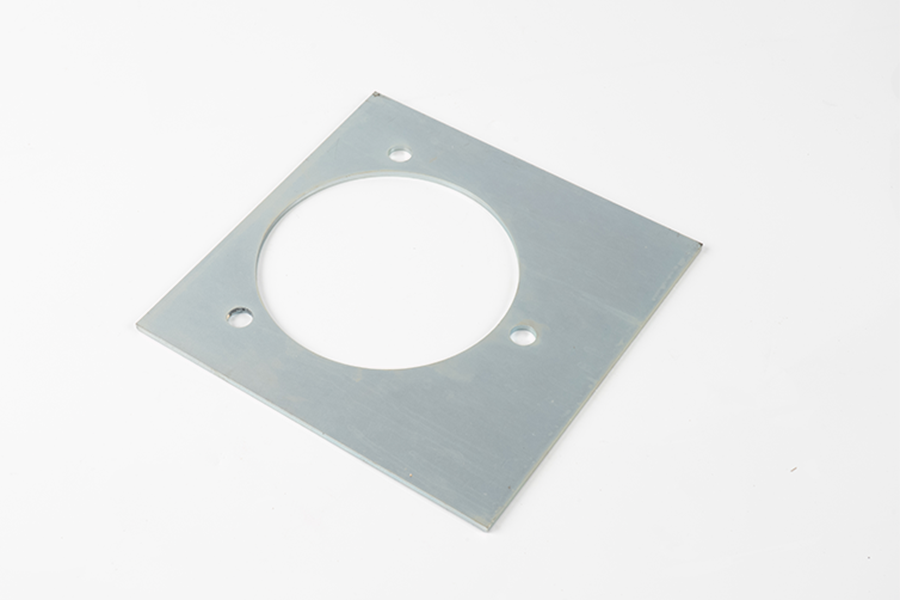
When dealing with complex geometries, why do engineers rely so heavily on laser technology for Sheet Metal Parts? Laser cutting offers a level of precision that traditional mechanical shearing cannot match. By using a concentrated beam of light, fabricators can cut intricate patterns into stainless steel, aluminum, or carbon steel with minimal material waste.
This precision is vital for industries like electronics, where even a fraction of a millimeter can determine whether a component fits inside a chassis. From laser cutting to welding, the ability to maintain tight tolerances during the initial cutting stage significantly reduces the need for secondary finishing processes, saving time and ensuring that every batch of Sheet Metal Parts remains identical to the original design.
How Do Bending Techniques Influence the Structural Integrity of Metal Components?
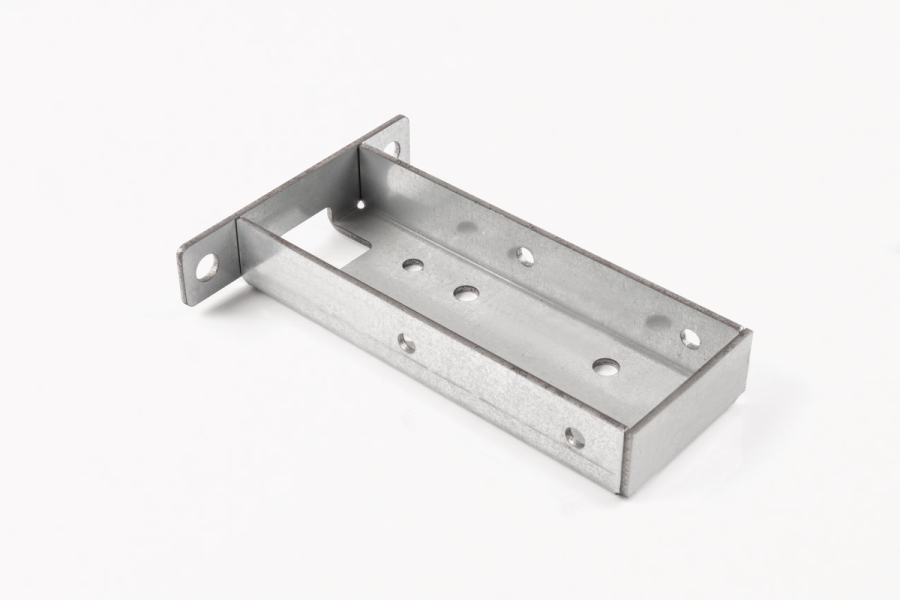
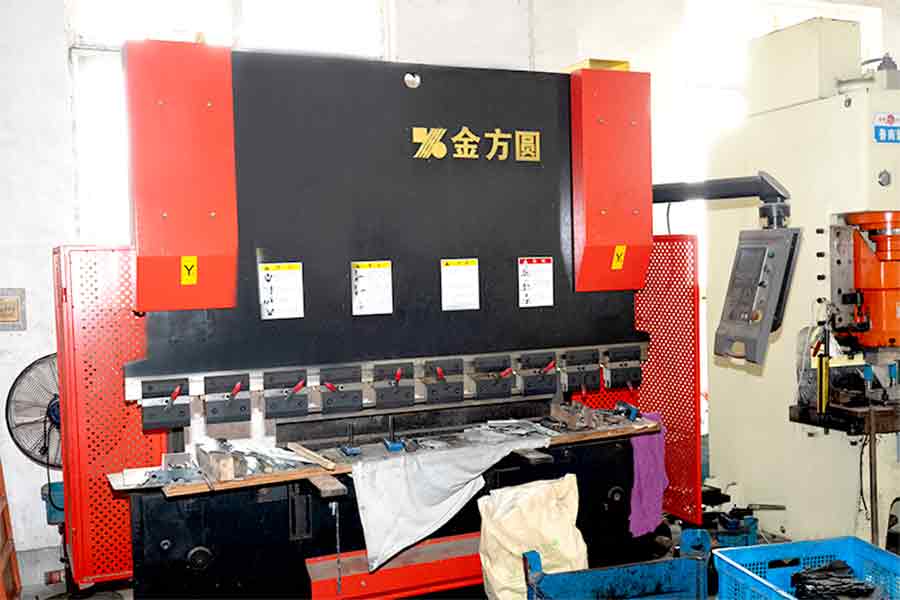
Once a part is cut, how does it gain its strength and shape? Bending is the core technique used to transform flat Sheet Metal Parts into structural elements. This process utilizes heavy-duty presses and specialized dies to fold the metal along specific axes.
The physics of bending requires a deep understanding of material properties. Fabricators must account for "springback"—the tendency of metal to partially return to its original shape after being bent. By mastering these variables, we ensure that every bracket, enclosure, or frame maintains its structural integrity under load. Our expertise ensures precision and quality in every fold, creating Sheet Metal Parts that are as durable as they are accurate.
What Are the Essential Specifications of Professional Sheet Metal Fabrication?
To help clients understand the technical range of our services, what are the primary metrics involved in producing Sheet Metal Parts? The following table provides a concise overview of the fabrication capabilities:
|
Process Step |
Technology Used |
Key Benefit for the Product |
|---|---|---|
|
Precision Cutting |
Fiber Laser / Water Jet |
High-speed, burr-free edges |
|
Bending |
CNC Press Brake |
Consistent angles for complex shapes |
|
Assembly |
TIG/MIG Welding, Riveting |
Strong, permanent structural bonds |
|
Surface Treatment |
Powder Coating / Anodizing |
Corrosion resistance and aesthetics |
|
Materials |
Stainless, Aluminum, Copper |
Versatility for different environments |
|
Finishing |
Deburring and Grinding |
Smooth surfaces and safe handling |
How Are Sheet Metal Parts Integrated into the Automotive Industry?
Why is the automotive sector so dependent on the versatility of Sheet Metal Parts? From the external body panels to the internal structural reinforcements, sheet metal is everywhere in a vehicle. The fabrication process allows for the creation of lightweight yet incredibly strong parts that contribute to fuel efficiency and passenger safety.
Complex assemblies like engine mounts and battery housings for electric vehicles require a combination of laser cutting and precision bending. These Sheet Metal Parts must withstand constant vibration and thermal stress. Our full range of sheet metal fabrication services ensures that these automotive components are delivered with the timely delivery and quality assurance required by high-volume assembly lines.
What Role Does Assembly Play in Creating Functional Sheet Metal Products?
After the individual pieces are cut and bent, how are they brought together to form a final product? Assembly is the stage where the desired specifications and functionality are truly realized. This involves bonding via welding, riveting, or high-strength adhesives.
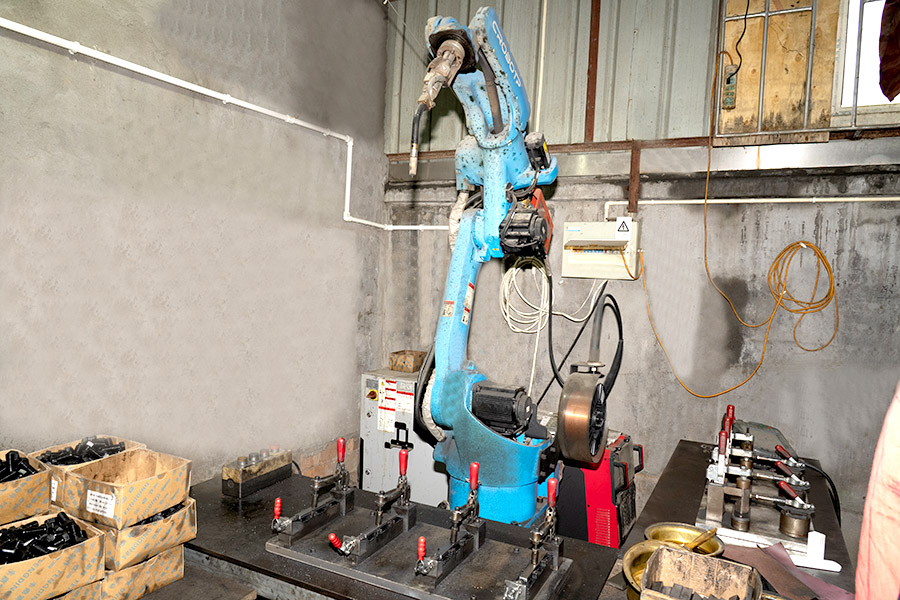
For products like electronic enclosures or medical equipment, the assembly must be both structurally sound and aesthetically clean. Welding provides a permanent, leak-proof bond, while riveting allows for the joining of dissimilar metals. Our expertise in assembly techniques ensures that even the most complex multi-part Sheet Metal Parts arrive ready for final installation, with all joints verified for strength and alignment.
Why Is Material Selection Critical for Aerospace Sheet Metal Parts?
In the aerospace industry, what factors dictate the choice of material for Sheet Metal Parts? Weight and heat resistance are the primary concerns. Engineers often choose titanium or specialized aluminum alloys, which require expert handling during the fabrication process.
Fabricating for aerospace means adhering to some of the strictest quality standards in the world. Precision cutting must be done without introducing heat-affected zones that could weaken the metal. Whether it is an internal bracket or an external skin panel, the fabrication of these Sheet Metal Parts must be flawless. Our commitment to quality ensures that every aerospace component meets the rigorous safety requirements of the industry.
How Does Sheet Metal Fabrication Support the Electronics Sector?
With devices getting smaller and more powerful, how does sheet metal keep up? Sheet Metal Parts in the electronics industry often take the form of heat sinks, shielding cans, and durable casings. These parts require extreme precision to house sensitive circuit boards and ensure proper heat dissipation.
The ability to produce complex shapes through precision bending allows for compact designs that do not sacrifice strength. Furthermore, the assembly of these parts often involves conductive bonding to provide EMI (electromagnetic interference) shielding. Our expertise ensures that every electronic component is manufactured to the exact specifications required for high-performance hardware.
What Are the Benefits of a Full Range of Fabrication Services?
Why should a company look for a provider that offers a full range of sheet metal fabrication services? The main advantage is consistency. When laser cutting, bending, and welding are all handled under one roof, the transition between stages is seamless.
This "one-stop" approach ensures that the person performing the welding understands the tolerances set during the laser cutting phase. It eliminates the risk of errors that occur when parts are moved between different vendors. For the client, this means higher precision, better quality control, and, most importantly, timely delivery for all of your fabrication needs.
How Do Sheet Metal Parts Contribute to the Construction Industry?
In large-scale infrastructure, how are Sheet Metal Parts utilized beyond simple decoration? In construction, sheet metal is used for HVAC ductwork, structural roofing, and heavy-duty brackets. These parts must be able to withstand the elements and provide long-term stability.
The fabrication process for construction parts often involves large-scale bending and heavy-duty welding. Because these components are often exposed to the environment, surface treatments like galvanization or powder coating are integrated into the workflow. This ensures that the Sheet Metal Parts remain rust-free and functional for the entire lifespan of the building.
Why Is Precision the Most Important Factor in Custom Fabrication?
When a client requests a custom component, why is precision the non-negotiable metric? Custom Sheet Metal Parts are often designed to solve a specific engineering problem or fit into a unique space. Even a minor deviation from the blueprint can render the part useless.
Our use of CNC (Computer Numerical Control) technology in both cutting and bending ensures that the final product matches the digital design with microscopic accuracy. This level of precision, combined with our full range of services, ensures that we can handle everything from simple components to complex assemblies with the same level of care and professional expertise. This dedication to accuracy is what makes our Sheet Metal Parts a trusted choice across all major industrial sectors.

 Company Profile
 +86-189-57809418
 Zouxi Village, Tangxi Town, Yinzhou District, Ningbo City, Zhejiang Province, China
Copyright © Ningbo Mingli Electric Technology Co., Ltd. All rights reserved. Custom Hardware Parts Maunfacturers
