


 Eng
Eng 
 中文简体
中文简体
 Home / News / Industry News / Why is Stamping Metal Parts the Foundational Element of High Volume Industrial Manufacturing and What Are the Technical Drivers of Quality?
 Why is Stamping Metal Parts the Foundational Element of High Volume Industrial Manufacturing and What Are the Technical Drivers of Quality?
 2026.05.28
 Industry News
The manufacturing landscape relies heavily on the ability to produce complex components with extreme speed and unwavering consistency. Within this industrial framework, stamping metal parts stands as the most critical process for transforming flat sheet metal into functional shapes through the application of immense pressure and precision tooling. This process is not merely a method of cutting or bending metal but is a sophisticated engineering discipline that involves the management of material flow, thermal dynamics, and mechanical force. From the structural frames of modern vehicles to the microscopic connectors inside electronic devices, the influence of metal stamping is found in nearly every sector of the global economy. To understand the significance of this technology, one must explore the intricate relationship between the stamping press, the design of progressive dies, and the metallurgical properties of the materials being formed.
The Mechanical Foundation of the Stamping Metal Parts Process
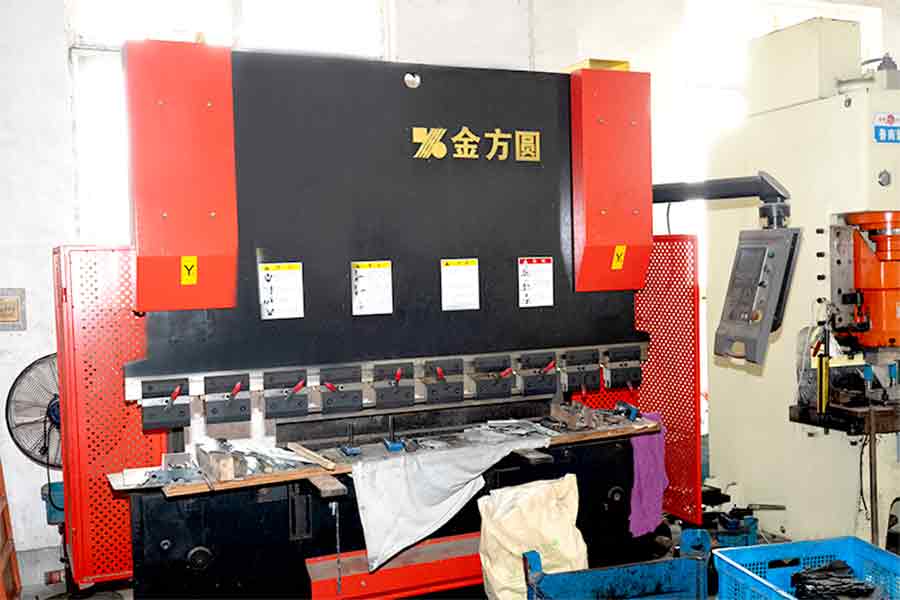
At the core of the stamping metal parts operation is the stamping press, a heavy duty machine designed to deliver a specific amount of force to a set of dies. The mechanical integrity of the final part is dictated by how this force is managed throughout the stroke of the press. Unlike other fabrication methods that might rely on heat or manual manipulation, stamping is a cold forming process that utilizes the kinetic energy of a flywheel or the controlled pressure of a hydraulic system to deform the metal. This mechanical approach ensures that the parts produced are uniform and that the internal grain structure of the metal is often strengthened through the work hardening that occurs during the deformation stages.
The distinction between mechanical and hydraulic presses is fundamental to the output of a stamping metal parts facility. Mechanical presses are known for their high speed and consistent stroke length, making them the ideal choice for high volume production runs where cycle time is the primary concern. These machines utilize a massive flywheel to store energy, which is then released through a crankshaft or an eccentric gear to drive the ram downward. On the other hand, hydraulic presses provide a constant force throughout the entire stroke, which is essential for deep drawing operations where the metal must be pulled into a cavity over a longer distance. By selecting the appropriate press technology, manufacturers can optimize the stamping metal parts workflow to match the specific geometry and material thickness required by the project.
Material Science and Metallurgical Considerations in Stamping
The success of stamping metal parts is deeply dependent on the selection of the raw material and how it responds to the stress of the die. Common materials include high strength steel, stainless steel, aluminum alloys, brass, and copper. Each of these metals possesses a unique set of characteristics, such as yield strength, ductility, and elongation properties, which determine how the metal will flow when it is squeezed between the punch and the die. Engineering teams must conduct thorough analysis of these properties to prevent issues like springback, which is the tendency of the metal to return to its original shape after the pressure is released.
When working with high strength low alloy steels for automotive metal stamping parts, the pressure required to achieve permanent deformation is significantly higher than for standard carbon steels. This necessitates the use of heavy duty presses and specialized coatings on the die surfaces to prevent premature wear. Aluminum, while lighter and more resistant to corrosion, has a different work hardening rate and requires precise lubrication to prevent galling, a condition where the metal sticks to the tooling. By understanding the atomic level behavior of these materials, engineers can design stamping metal parts that maintain their structural integrity even when subjected to extreme bends or complex draws. The precision metal stamping process essentially leverages the physics of the material to create components that are both lightweight and exceptionally strong.
The Role of Progressive Die Stamping in High Volume Production
For projects requiring the production of thousands or even millions of units, progressive die stamping is the most efficient methodology available. This technique involves a series of stations within a single die set, where each station performs a specific operation on a continuous strip of metal. As the strip moves through the press, it undergoes various processes such as piercing, blanking, lancing, and forming. The final part is only separated from the carrier strip at the very last station. This integrated approach to stamping metal parts minimizes material waste and significantly reduces the labor costs associated with handling individual components between different machines.
The design of a progressive die is an engineering feat that requires careful planning of the strip layout. Designers must ensure that the metal strip remains stable as it advances through the press, even as more material is removed at each station. Pilot pins are used to align the strip with microscopic accuracy before the press descends, ensuring that every hole and bend is positioned correctly relative to the previous operations. This high volume metal stamping technique allows for the creation of intricate geometries that would be impossible or prohibitively expensive to produce through other means. By consolidating multiple operations into a single press stroke, the progressive die method maximizes throughput and ensures that the stamping metal parts meet the tightest dimensional tolerances.
Engineering Precision in Stamping Tools and Dies
The quality of the final product is a direct reflection of the precision built into the stamping tools and dies. These components are often crafted from high grade tool steels such as D2 or carbide inserts, which are chosen for their ability to maintain a sharp edge and resist deformation under millions of cycles. The construction of a die involves not just the cutting edges but also a complex system of strippers, springs, and pressure pads that control the movement of the metal during the stamping metal parts process.
Die clearance, which is the space between the punch and the die opening, is one of the most critical variables in the engineering of stamping tools. If the clearance is too tight, it increases the friction and the required force, leading to accelerated tool wear and potential breakage. If the clearance is too loose, it results in large burrs and poor edge quality on the stamped metal part. Advanced simulation software is often used during the design phase to predict how the metal will behave and to optimize the die geometry before any metal is cut for the tool itself. Regular maintenance and sharpening of the dies are essential protocols in any professional stamping metal parts facility, as even a small amount of wear can lead to deviations in part accuracy and surface finish.
Comparison of Industrial Stamping Techniques and Capabilities
The following table provides a descriptive comparison of different stamping methodologies to illustrate their specific advantages in various manufacturing contexts.
|
Stamping Methodology |
Mechanical characteristics and Motion |
Primary Functional Advantage |
Best Application Scenarios |
|---|---|---|---|
|
Progressive Die Stamping |
Multi station integrated movement on a continuous strip |
Exceptional speed and lowest unit cost for high volumes |
Electronic connectors and small automotive brackets |
|
Transfer Die Stamping |
Individual parts moved between stations by mechanical arms |
Ability to handle large parts that require complex multi directional forming |
Large automotive body panels and appliance housings |
|
Deep Draw Stamping |
Controlled elongation of metal into a deep cavity |
Creation of seamless hollow vessels with high depth to width ratios |
Beverage cans and fire extinguisher cylinders |
|
Fine Blanking |
High pressure shearing with minimal clearance |
Produces perfectly smooth edges and flat surfaces without secondary machining |
Precision gears and heavy duty seat belt components |
|
Four Slide Stamping |
Horizontal stamping from four different directions simultaneously |
High versatility for complex bends and wire forming |
Small clips, springs, and intricate electrical contacts |
Managing Friction and Thermal Dynamics in the Press
The interaction between the metal strip and the die surface generates a significant amount of heat and friction during the stamping metal parts process. If not properly managed, this heat can cause the metal to weld itself to the tooling, leading to surface defects and the eventual destruction of the die. Lubrication is therefore a critical component of the manufacturing workflow. Modern stamping facilities use synthetic lubricants or vanishing oils that are applied to the metal strip before it enters the press. These lubricants are designed to provide a protective barrier that reduces friction while also helping to dissipate the thermal energy generated by the deformation of the metal.
Thermal management is also important for maintaining the dimensional stability of the press and the dies. As the machine runs over several hours, the components can expand due to the heat, which might lead to subtle changes in the alignment of the tools. High precision stamping metal parts operations often include cooling systems within the dies themselves or utilize temperature controlled environments to ensure that the process remains consistent from the first part of the day to the last. By controlling the environment and the interface between the tool and the workpiece, manufacturers can achieve the high level of repeatability that is required for critical aerospace and medical components.
Quality Assurance and Inspection Protocols for Metal Components
Maintaining high standards in the production of stamping metal parts requires a rigorous quality assurance program that utilizes both manual and automated inspection techniques. Because the stamping press can produce parts at a rate of several hundred per minute, any error in the setup can lead to thousands of scrap parts in a very short time. To prevent this, manufacturers implement real time monitoring systems that use sensors to detect changes in the press tonnage or the position of the metal strip. If a deviation is detected, the press can be stopped automatically before any defective parts are produced.
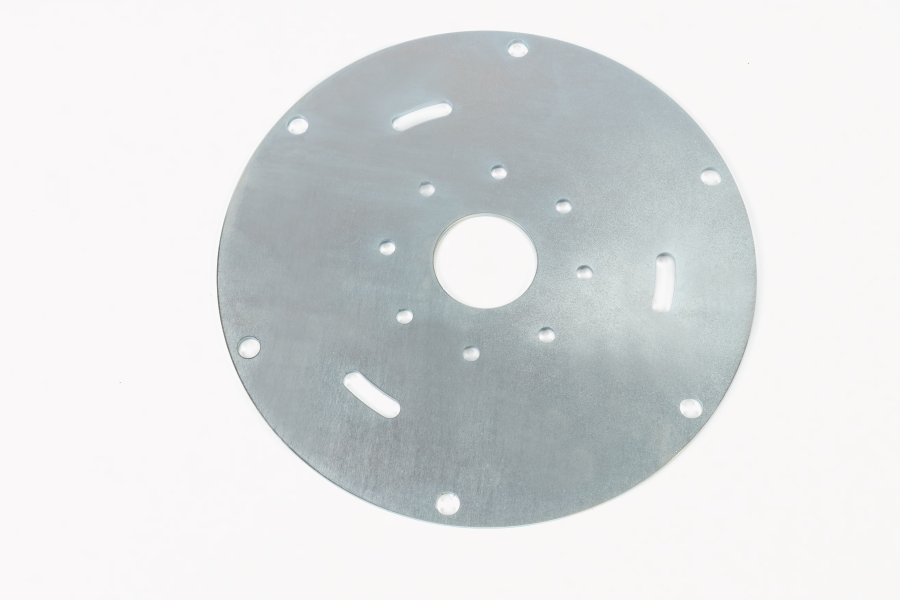
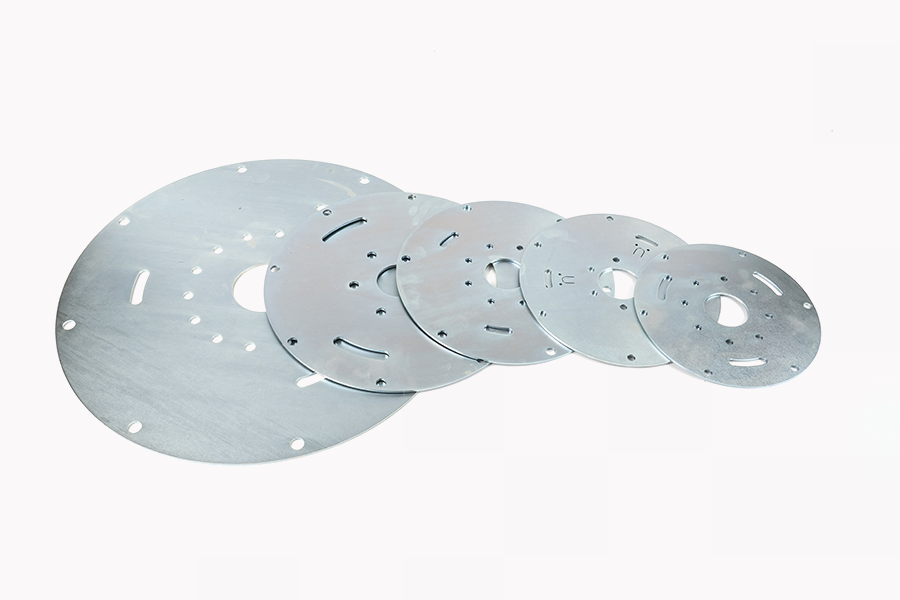
Dimensional accuracy is verified using advanced measuring equipment such as Coordinate Measuring Machines and optical vision systems. These tools can measure the critical dimensions of a stamped metal part to within a few microns, ensuring that it meets the exact specifications of the engineering drawing. Surface integrity is another area of focus, as stamping metal parts must be free of cracks, scratches, or excessive burrs that could interfere with subsequent assembly or compromise the performance of the part in the field. By integrating these inspection protocols into the production cycle, stamping facilities provide the reliability needed for high stakes industries like automotive safety and telecommunications infrastructure.
Specific Industrial Applications of Stamped Metal Parts
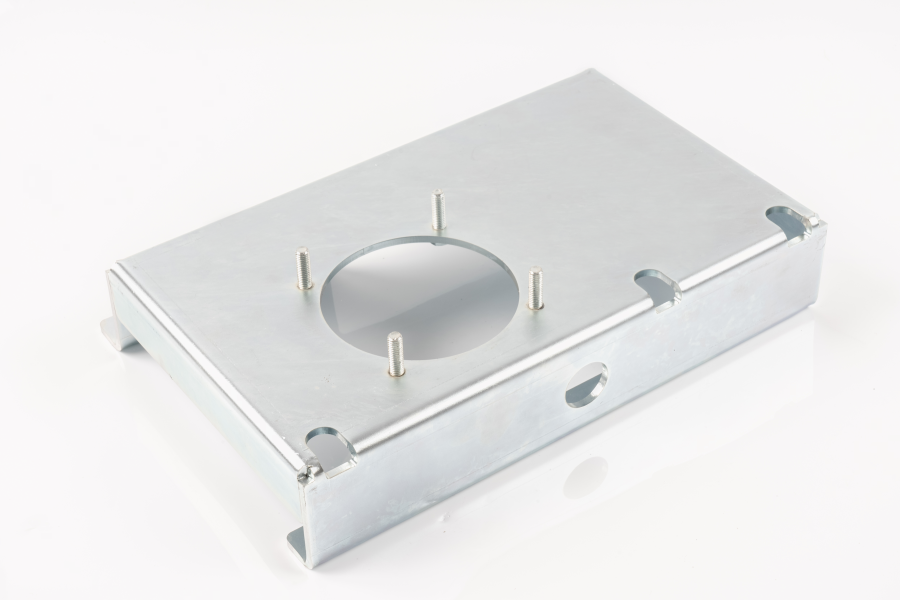
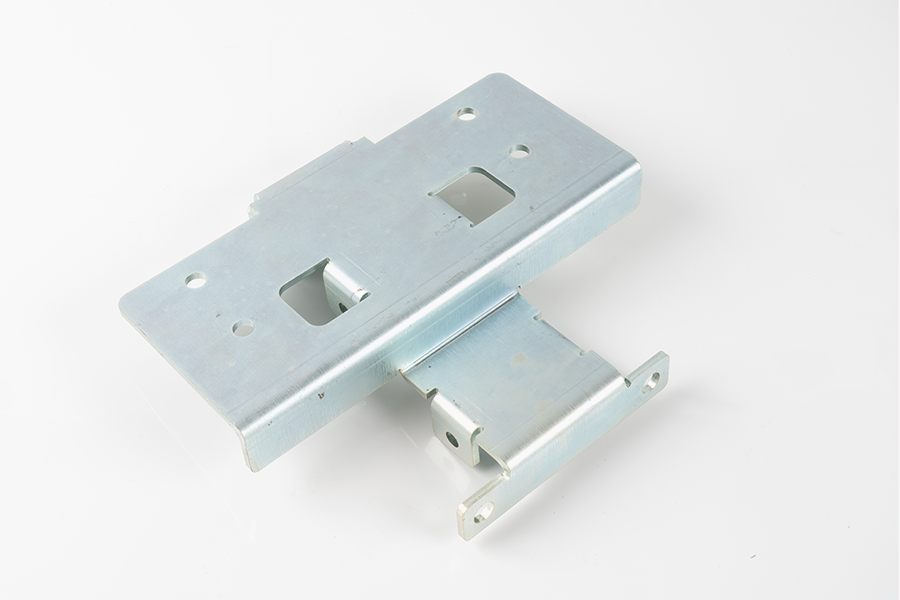
The versatility of the stamping metal parts process makes it suitable for a vast array of applications across different industries. In the automotive sector, stamping is used to produce everything from small fuel injector components to massive structural pillars and floor pans. The ability to use high strength materials allows automotive designers to reduce the weight of the vehicle while improving crash safety performance. Precision metal stamping is also vital for the production of lead frames and shielding components in the electronics industry, where parts must be extremely small yet incredibly precise to ensure reliable electrical conductivity.
In the aerospace industry, stamping metal parts provides a way to create complex, lightweight structures that can withstand the extreme vibrations and thermal cycles of flight. The process is often used to produce airframe clips, fasteners, and engine components that require the highest levels of quality documentation and traceability. Even in the consumer goods and medical device sectors, stamping is the preferred method for producing surgical instruments, hardware, and the internal components of household appliances. The consistency and scalability of the process ensure that high quality products are accessible to a global market while maintaining the strict safety and performance standards required by these specialized fields.
Structural Integrity and the Cold Forming Advantage
One of the most significant advantages of using stamping for metal parts is the enhancement of the physical properties of the component through cold forming. Unlike casting or machining, which can sometimes weaken the material or leave behind residual stresses, stamping can improve the fatigue strength of the part. This occurs because the cold work associated with the stamping metal parts process refines the grain structure of the metal, making it more resistant to the propagation of cracks. This is particularly important for parts that will be subjected to repetitive loading cycles during their operational life.
The ability to control the flow of the metal also means that the thickness of the part can be managed with great precision. In certain design scenarios, a stamping metal parts engineer might purposefully thin the metal in one area to allow for flexibility while keeping other areas thicker for structural support. This level of control is achieved through the careful design of the draw beads and the pressure applied by the blank holder in the press. By leveraging the cold forming characteristics of the metal, manufacturers can produce parts that are not only more durable than those made by other methods but also more efficient in their use of raw materials, contributing to overall sustainability in the manufacturing sector.
Optimizing the Supply Chain Through Metal Stamping Efficiency
The efficiency of stamping metal parts has a profound impact on the entire industrial supply chain. Because the process is highly automated and capable of such high speeds, it allows for just in time manufacturing strategies that reduce the need for large inventories of finished components. A single stamping metal parts facility can supply multiple assembly plants with the necessary parts on a daily basis, ensuring a smooth and responsive flow of goods. This scalability is essential for industries that experience seasonal fluctuations in demand or rapid changes in technology.
The consistency of stamped metal parts simplifies the assembly process. When every part is identical to the next, automated assembly robots can operate with higher efficiency and fewer interruptions. This reduction in assembly variability leads to higher quality final products and lower overall manufacturing costs. The ability to produce complex, multi functional components in a single stamping operation also reduces the number of separate parts that must be tracked and assembled, further streamlining the logistics of modern production. As manufacturing continues to evolve, the strategic integration of advanced stamping metal parts technology remains a cornerstone of industrial competitiveness and technical innovation.


 Company Profile
 +86-189-57809418
 Zouxi Village, Tangxi Town, Yinzhou District, Ningbo City, Zhejiang Province, China
Copyright © Ningbo Mingli Electric Technology Co., Ltd. All rights reserved. Custom Hardware Parts Maunfacturers
