


 Eng
Eng 
 中文简体
中文简体
 Home / News / Industry News / How Do High-Precision Sheet Metal Parts Define Modern Manufacturing Standards?
 How Do High-Precision Sheet Metal Parts Define Modern Manufacturing Standards?
 2026.04.23
 Industry News
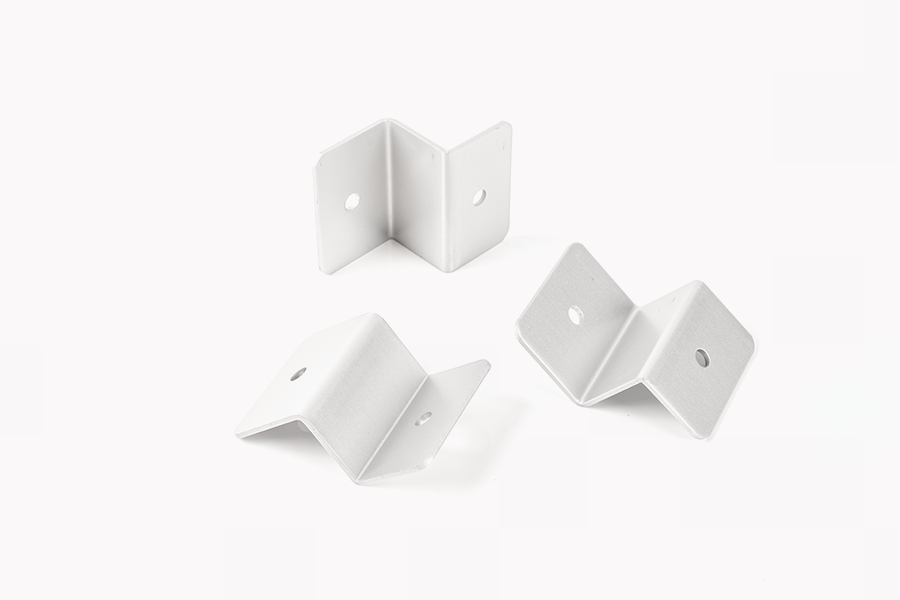
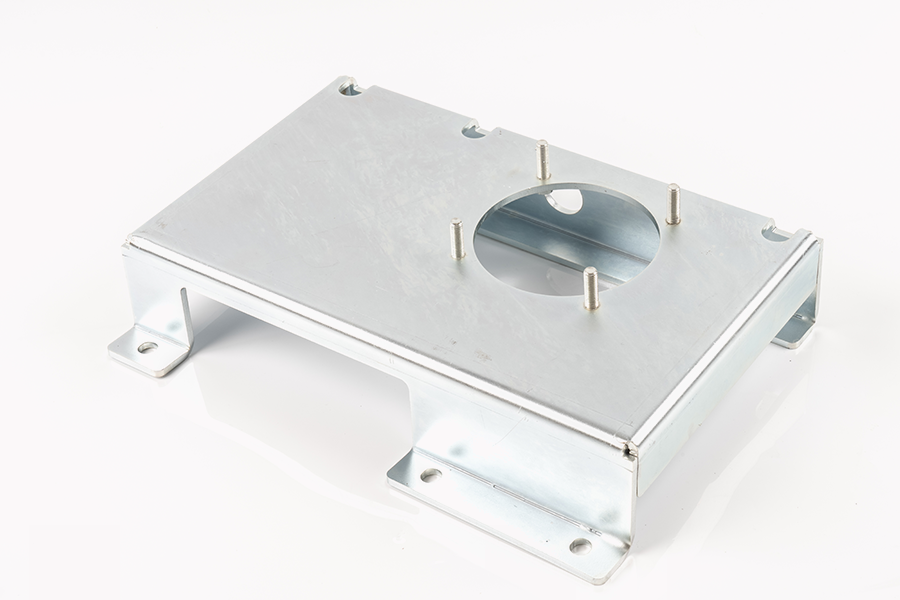
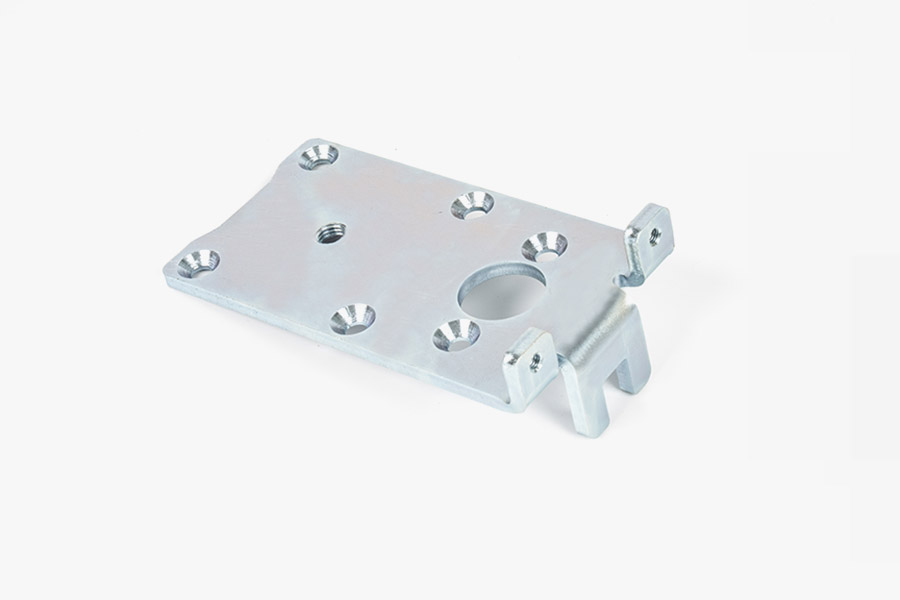
The architectural and mechanical integrity of modern industrial equipment relies heavily on the quality and precision of Sheet Metal Parts. These components, ranging from simple brackets to complex multi-dimensional enclosures, form the structural skeleton of countless products. Achieving the required tolerances and aesthetic finishes in sheet metal fabrication involves a sophisticated blend of material science, advanced CNC technology, and meticulous secondary processing. This technical exploration focuses on the manufacturing nuances, material selections, and the functional superiority of premium Sheet Metal Parts in high-stress applications.
|
Component Property |
Standard Specification |
Common Manufacturing Processes |
|---|---|---|
|
Material Thickness |
0.5mm - 6.0mm (Typical) |
CNC Laser Cutting, Punching |
|
Dimensional Tolerance |
+/- 0.1mm to +/- 0.5mm |
Precision Bending, Press Braking |
|
Surface Finish |
Powder Coating, Anodizing, Zinc Plating |
Electrolytic or Mechanical Treatment |
|
Material Types |
Aluminum, Stainless Steel, Carbon Steel |
Cold Rolling, Hot Rolling |
What are the Essential Fabrication Processes That Ensure the Accuracy of Sheet Metal Parts?
The journey from a flat metal sheet to a complex three-dimensional component is a multi-stage process where precision at the initial phase dictates the success of the final assembly. High-quality Sheet Metal Parts are characterized by clean edges, accurate bend angles, and consistent hole placements, all of which are achieved through integrated CNC workflows.
-
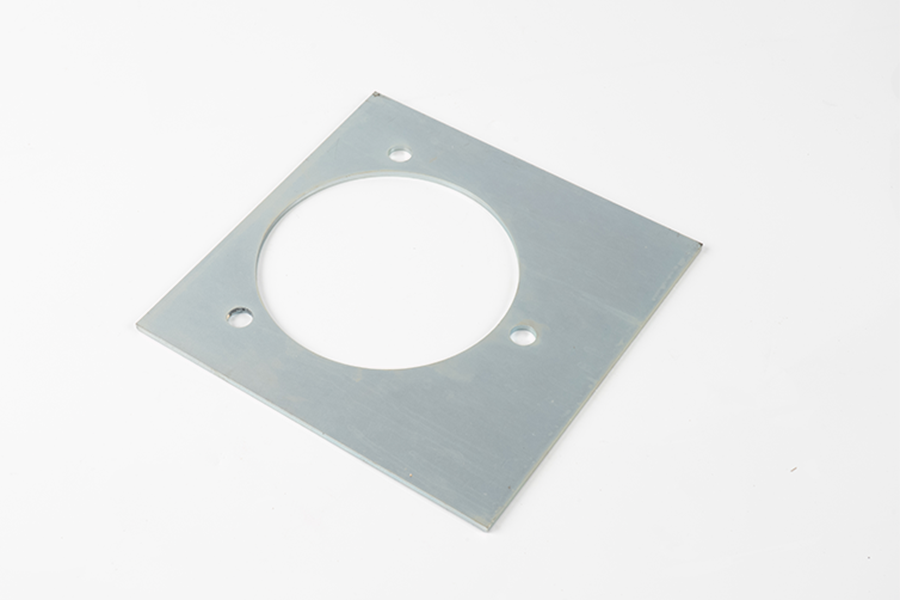
Advanced CNC Cutting and Piercing Techniques: The first step in creating any Sheet Metal Parts is the cutting process. Modern facilities utilize high-power fiber lasers or CNC turret punches to translate digital CAD files into physical blanks. Fiber laser cutting is particularly favored for its ability to maintain a minimal heat-affected zone (HAZ), which prevents the warping of thin materials. This process ensures that complex geometries—such as intricate venting patterns or tight-radius internal cutouts—are executed with micron-level accuracy. The absence of mechanical stress during laser cutting also means that the edges remain burr-free, reducing the need for costly manual deburring and ensuring a safer handling experience for assembly technicians.
-
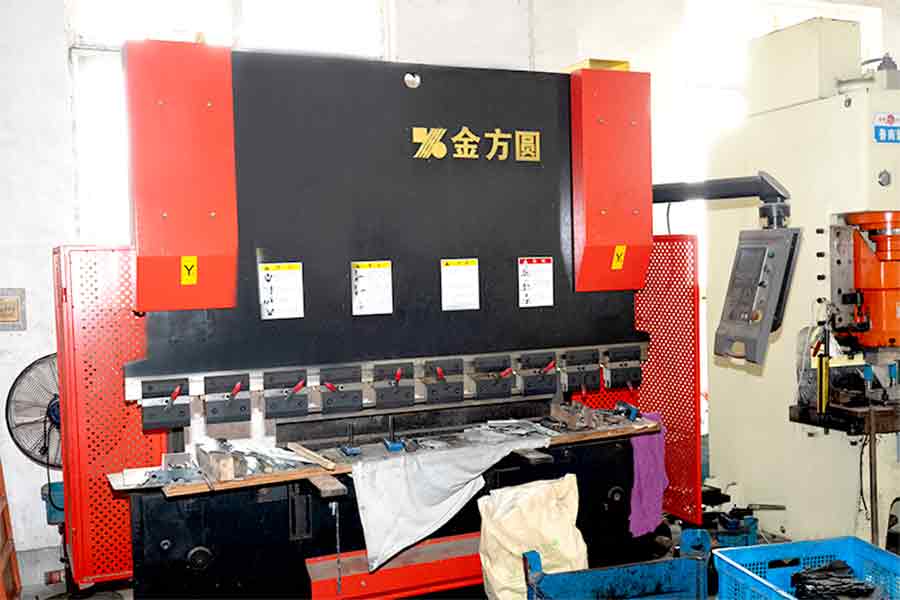
Precision Bending and the Physics of Springback: Bending is perhaps the most critical stage in the fabrication of Sheet Metal Parts. Using CNC press brakes, flat blanks are transformed into structured shapes. However, a significant challenge in this phase is "springback," where the metal attempts to return to its original flat state after the pressure is released. Experienced fabricators use advanced software to calculate the exact over-bend required based on the material's tensile strength and thickness. High-end Sheet Metal Parts benefit from hydraulic crowning systems within the press brake, which ensure that the bend angle remains consistent across the entire length of the part, eliminating the "bowing" effect often seen in lower-quality components.
-
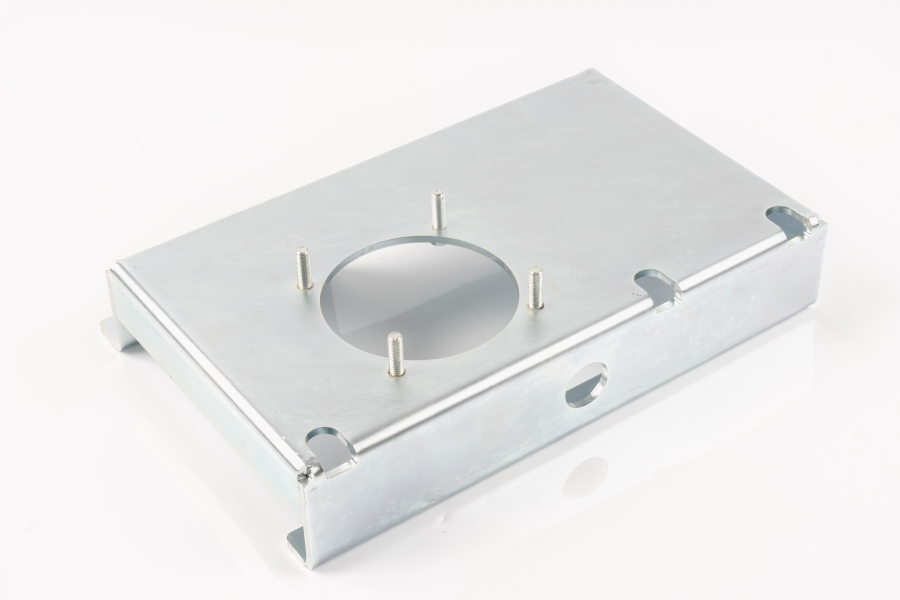
Hardware Integration and Cold Joining: A complete sheet metal solution often requires the integration of fasteners such as PEM nuts, studs, and standoffs. Rather than traditional welding, which can distort thin sheets, many Sheet Metal Parts utilize "clinching" or "self-clinching" technology. This process uses high pressure to cold-flow the metal of the sheet into the grooves of the fastener, creating a permanent, high-torque bond without the use of heat. This preserves the structural integrity of the sheet and allows for a much cleaner finish, particularly when the parts are intended for visible consumer-facing enclosures or high-end electronics.
Which Material Selections Optimize the Performance of Custom Sheet Metal Parts?
Choosing the right substrate is a fundamental decision that affects the weight, strength, and corrosion resistance of Sheet Metal Parts. The application environment—whether it be a corrosive marine setting, a high-temperature industrial oven, or a weight-sensitive aerospace assembly—dictates the specific grade of metal required.
-
Aluminum and Lightweight Alloy Applications: Aluminum is one of the most popular materials for Sheet Metal Parts due to its exceptional strength-to-weight ratio and natural resistance to atmospheric corrosion. Grades like 5052-H32 are frequently selected for their excellent formability and welding characteristics. In electronics and telecommunications, aluminum parts are prized not only for their lightness but also for their thermal conductivity, acting as a secondary heat sink for internal components. Furthermore, aluminum's ability to accept decorative and protective finishes like anodizing makes it a primary choice for high-aesthetic-value products.
-
Stainless Steel for Harsh Environments: When durability and hygiene are paramount, stainless steel becomes the material of choice for Sheet Metal Parts. Grade 304 provides excellent general-purpose corrosion resistance, making it suitable for food processing equipment and medical enclosures. For more extreme environments, such as chemical processing plants or coastal areas, Grade 316—which contains molybdenum—is used to prevent pitting and crevice corrosion. While stainless steel is harder to form and cut than aluminum, its longevity and high tensile strength ensure that the resulting Sheet Metal Parts can withstand significant mechanical stress over many years of service without degrading.
-
Galvanized and Cold-Rolled Carbon Steels: For structural applications where cost-efficiency is a priority, carbon steel remains a staple. Cold-rolled steel (CRS) provides a smooth surface finish and tight thickness tolerances, which is ideal for internal brackets and structural panels that will later be painted or powder-coated. To enhance the lifespan of these Sheet Metal Parts, manufacturers often use galvanized or galvannealed steel, which features a zinc coating that provides sacrificial protection against rust. This makes it an excellent choice for automotive components and outdoor utility boxes where cost and durability must be carefully balanced.
How Do Specialized Surface Finishes Enhance the Utility of Sheet Metal Parts?
The manufacturing of Sheet Metal Parts does not end with the physical shaping of the metal. Surface treatment is an essential final step that provides both environmental protection and visual appeal. A well-chosen finish can extend the life of a component by decades and ensure it integrates perfectly into its final application.
-
Powder Coating and Protective Barrier Layers: Powder coating is the most common finish for industrial Sheet Metal Parts. Unlike liquid paint, powder coating is applied electrostatically and then cured under heat to form a hard, durable "skin." This finish is significantly more resistant to chipping, scratching, and fading than traditional painting methods. It also offers an almost limitless palette of colors and textures—from high-gloss to matte and sand-textured finishes—allowing manufacturers to match the Sheet Metal Parts to specific branding or functional requirements. Additionally, the process is environmentally friendly as it produces negligible volatile organic compounds (VOCs).
-
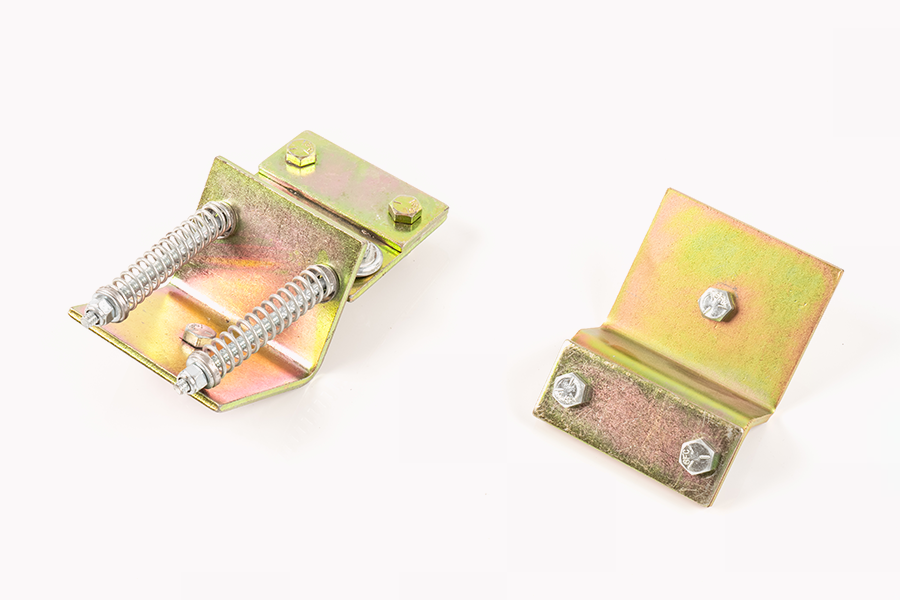
Plating, Anodizing, and Chemical Conversions: For parts requiring electrical conductivity or specific chemical resistance, plating and anodizing are utilized. Zinc plating (often with a clear or yellow chromate) is a cost-effective way to provide rust resistance to steel Sheet Metal Parts. In contrast, anodizing is an electrochemical process that thickens the natural oxide layer on aluminum parts, creating a surface that is nearly as hard as a diamond. This is essential for components that will experience high wear or frequent handling. Chemical conversion coatings, such as Alodine or Chem-film, are often used as a pre-treatment to enhance the adhesion of subsequent coatings and to provide a baseline level of corrosion protection without significantly altering the dimensions of the part.
-
Deburring, Graining, and Aesthetic Preparation: Before any coating is applied, the Sheet Metal Parts must undergo mechanical finishing. Deburring removes the sharp edges created during the cutting process, ensuring safety and better coating adhesion. "Graining" or brushing is a process where the surface of the metal is polished with an abrasive belt to create a consistent, linear texture. This is a popular choice for stainless steel Sheet Metal Parts used in high-end appliances or architectural features, as it hides fingerprints and minor surface imperfections while providing a premium, professional appearance. Consistent surface preparation is the silent hallmark of a high-quality sheet metal component.

 Company Profile
 +86-189-57809418
 Zouxi Village, Tangxi Town, Yinzhou District, Ningbo City, Zhejiang Province, China
Copyright © Ningbo Mingli Electric Technology Co., Ltd. All rights reserved. Custom Hardware Parts Maunfacturers
