


 Eng
Eng 
 中文简体
中文简体

What Are Sheet Metal Parts and How Are They Used Across Industries?
 2026.07.16
 Industry News
What Are Sheet Metal Parts?
Sheet metal parts are components manufactured from thin, flat pieces of metal that have been processed through various forming and cutting operations. The term "sheet metal" refers to metal that has been rolled into sheets or coils, typically with a thickness ranging from 0.006 inches (0.15 mm) to 0.25 inches (6.35 mm). Parts thicker than this are generally classified as plate metal.
The manufacturing of sheet metal parts involves a series of processes that alter the shape, size, and surface of the metal sheet. These processes include cutting (shearing, laser cutting, plasma cutting, waterjet cutting), punching, blanking, bending, stamping, deep drawing, and joining (welding, riveting, fastening). The choice of processes depends on the part's complexity, required tolerances, production volume, and material properties.
Sheet metal parts are known for their versatility, strength, and lightweight characteristics. They can be produced with high precision and repeatability, making them suitable for both prototypes and mass production. The surface can be finished with paints, coatings, or platings to enhance corrosion resistance, aesthetics, or conductivity.
The Sheet Metal Fabrication Process: How Sheet Metal Parts Are Made
The fabrication of sheet metal parts typically follows a sequence of operations, from raw material to finished component. Understanding these processes helps in designing parts that are manufacturable and cost-effective.
Cutting and Blanking
Cutting is the first step in sheet metal fabrication. It involves separating the metal sheet into smaller pieces or specific shapes. Methods include:
Shearing: A straight-line cutting process using a machine with a moving blade and a fixed bed. Shearing is economical for cutting large sheets into smaller blanks.
Laser Cutting: Uses a high-power laser beam to melt and vaporize metal, creating precise cuts with minimal heat-affected zones. Laser cutting is ideal for complex contours, tight tolerances, and thin materials.
Plasma Cutting: Uses a plasma torch to cut electrically conductive metals. It is faster than laser for thicker materials but has lower precision.
Waterjet Cutting: Uses a high-pressure stream of water mixed with abrasive particles to cut metal without generating heat, making it suitable for heat-sensitive materials.
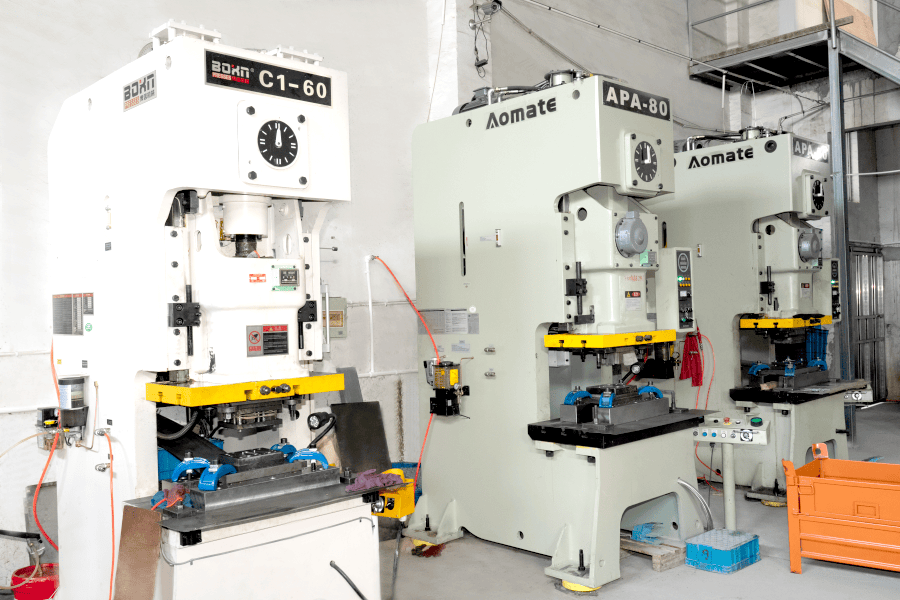
Punching and Blanking: Uses a punch and die to cut holes or shapes from the sheet. Blanking produces the final part shape, while piercing creates holes.
Bending and Forming
Bending is a forming process that creates angles, channels, and other three-dimensional shapes in sheet metal. It is typically performed on a press brake, which uses a punch and die to bend the metal along a straight line. Common bending operations include air bending, bottoming, and coining. The bend radius, angle, and material thickness determine the required tooling and press force.
Forming encompasses a broader range of operations, including stretching, flanging, hemming, and curling. These processes are used to create features like ribs, dimples, and countersinks that add strength or accommodate assembly.
Deep Drawing
Deep drawing is a specialized forming process used to produce hollow, cup-like shapes from flat blanks. The blank is drawn into a die cavity by a punch, creating seamless, three-dimensional parts. Deep drawing is commonly used for automotive fuel tanks, kitchen sinks, and beverage cans. The process requires careful control of material flow to avoid tearing or wrinkling.
Joining and Assembly
After forming, sheet metal parts may need to be joined to other components. Common joining methods include:
Welding: Fusion welding techniques such as MIG, TIG, and spot welding are used to permanently join sheet metal parts. Welding provides strong, permanent connections but can cause distortion and require finishing.
Riveting and Fastening: Mechanical fasteners like rivets, screws, and bolts are used for joining parts that may need to be disassembled or where welding is impractical.
Adhesive Bonding: Structural adhesives are increasingly used in sheet metal assembly, especially for joining dissimilar materials or reducing stress concentrations.
Surface Finishing
Finishing operations enhance the appearance, durability, and corrosion resistance of sheet metal parts. Common finishes include:
Painting and Powder Coating: Apply a protective and decorative layer to the surface. Powder coating offers superior durability and a wide range of colors.
Plating: Electroplating with zinc, nickel, chromium, or other metals provides corrosion protection and improved conductivity.
Anodizing: An electrolytic process used primarily for aluminum to increase corrosion resistance and allow dyeing.
Passivation: A chemical treatment that removes free iron from stainless steel surfaces, enhancing corrosion resistance.
Materials Used in Sheet Metal Parts
The selection of material is critical in sheet metal fabrication, as it affects the part's strength, weight, corrosion resistance, formability, and cost. The most common materials include:
Steel: Carbon steel is the most widely used sheet metal material due to its strength, ductility, and low cost. Galvanized steel (coated with zinc) offers corrosion resistance. Stainless steel provides excellent corrosion resistance and is used in food processing, medical, and marine applications.
Aluminum: Lightweight, corrosion-resistant, and highly conductive, aluminum is favored in aerospace, automotive, and electronics. It is easy to form and can be heat-treated for increased strength.
Copper and Brass: Copper offers excellent electrical and thermal conductivity, making it ideal for electrical components and heat exchangers. Brass (copper-zinc alloy) is valued for its corrosion resistance and aesthetic appeal in decorative applications.
Titanium: Titanium has an exceptional strength-to-weight ratio and outstanding corrosion resistance. It is used in aerospace, medical implants, and high-performance automotive parts, though its cost limits its use.
Nickel Alloys: Alloys such as Inconel and Monel are used in high-temperature and corrosive environments, common in chemical processing, power generation, and aerospace.
Material selection also includes considerations of thickness (gauge), availability, and cost. Manufacturers often provide guidance on the most suitable material for a given application.
Key Design Considerations for Sheet Metal Parts
Designing sheet metal parts requires an understanding of the material properties and the capabilities of the fabrication processes. Following design guidelines ensures manufacturability, reduces costs, and improves quality.
Minimum Bend Radius: The minimum inside bend radius should be at least the material thickness to avoid cracking or tearing. For harder materials, a larger radius may be required.
Bend Relief: When bending flanges or edges, bend relief notches should be added to prevent tearing or distortion. The relief width should be at least 1.5 times the material thickness.
Hole Placement: Holes should be placed at a minimum distance from the edge or bend to avoid deformation. A general rule is a distance of at least 2 times the material thickness from the edge.
Corner Radii: Sharp corners in sheet metal parts can cause stress concentrations and difficulty in manufacturing. Adding radii to corners improves strength and reduces manufacturing defects.
Spring-back Compensation: Metals tend to spring back slightly after bending. Designers must account for this by over-bending or adjusting tooling to achieve the desired final angle.
Tolerances: Sheet metal parts can achieve tolerances of ±0.005 to ±0.015 inches, depending on the process. Tighter tolerances increase cost, so specifying unnecessarily tight tolerances should be avoided.
Material Grain Direction: The direction of grain in the metal affects formability and appearance. Bending across the grain can lead to cracking, so orientation should be considered in the layout.
By following these guidelines, designers can create sheet metal parts that are easy to fabricate and assemble.
Advantages and Challenges of Sheet Metal Parts
Advantages
Sheet metal parts offer numerous benefits that make them a preferred choice in many industries:
Strength and Durability: Sheet metal provides excellent mechanical properties, with high strength-to-weight ratios. The cold-working process often increases material strength.
Versatility: The range of processes—cutting, bending, forming, joining—allows for complex geometries and diverse applications.
Cost-Effectiveness: For large production runs, sheet metal fabrication is highly economical, with low per-part costs and minimal material waste.
Lightweight: Thin sheets offer weight savings compared to solid or cast components, which is critical in automotive and aerospace.
Thermal and Electrical Conductivity: Metals like copper and aluminum provide excellent conductivity for heat and electricity.
Recyclability: Sheet metal is 100% recyclable, making it an environmentally friendly choice.
Challenges
Despite its advantages, sheet metal fabrication has its challenges:
Tooling Costs: Custom tooling for bending, punching, and deep drawing can be expensive, especially for short runs.
Design Limitations: Certain features, such as deep undercuts or extremely tight radii, may be difficult or impossible to achieve.
Spring-back and Distortion: Unpredictable spring-back can affect dimensional accuracy, requiring compensation or post-forming adjustments.
Material Thickness Limitations: Very thin or very thick materials may present forming challenges, requiring specialized equipment.
Surface Quality: Scratches, dents, or marks from handling can affect aesthetic surfaces, requiring careful handling and finishing.
Manufacturers overcome these challenges through advanced simulation, process control, and skilled craftsmanship.
Quality Control in Sheet Metal Fabrication
Ensuring the quality of sheet metal parts is essential for meeting performance and safety standards. Quality control measures are implemented at every stage of production.
Material Inspection: Incoming sheet metal is inspected for thickness, flatness, surface defects, and chemical composition to ensure it meets specifications.
In-Process Monitoring: During fabrication, parameters such as press tonnage, bend angles, and tool wear are monitored. Sensors and feedback systems can adjust settings in real-time.
Dimensional Inspection: Critical dimensions are measured using coordinate measuring machines (CMMs), optical comparators, and gauges. Statistical process control (SPC) tracks variations and ensures consistency.
Visual and Surface Inspection: Parts are checked for scratches, burrs, weld defects, and surface irregularities. Automated vision systems enhance inspection speed and accuracy.
Testing: Depending on the application, parts may undergo mechanical testing (tensile, hardness, fatigue), leak testing, or corrosion testing.
Certifications such as ISO 9001, AS9100 (aerospace), and IATF 16949 (automotive) demonstrate a manufacturer's commitment to quality management.
Applications of Sheet Metal Parts Across Industries
Sheet metal parts are used in virtually every industry. Below are some key sectors where they play a vital role:
Automotive Industry: Sheet metal is extensively used for body panels, chassis components, engine parts, brackets, and exhaust systems. The push for lightweighting has increased the use of high-strength steel and aluminum.
Aerospace and Defense: Aircraft and spacecraft rely on sheet metal for fuselage panels, wing skins, engine housings, and structural components. Materials like aluminum, titanium, and nickel alloys are common.
Electronics and Electrical: Sheet metal enclosures, chassis, and heat sinks are essential for protecting and cooling electronic components. Copper and aluminum are used for busbars and connectors.
Medical Devices: Stainless steel sheet metal is used for surgical instruments, medical carts, and device housings, thanks to its biocompatibility and ease of sterilization.
Construction and Architecture: Sheet metal is used for roofing, siding, ductwork, and structural supports. Decorative architectural metalwork also relies on sheet metal fabrication.
Food and Beverage Industry: Stainless steel sheet metal parts are used in food processing equipment, storage tanks, and conveyor systems due to their hygienic properties.
Energy and Utilities: Solar panel frames, wind turbine components, and power distribution equipment often use sheet metal parts for their strength and durability.
Consumer Goods: Appliances like refrigerators, washing machines, and ovens contain numerous sheet metal parts, as do furniture, shelving, and office equipment.
Trends and Innovations in Sheet Metal Fabrication
The sheet metal industry is evolving with new technologies that improve efficiency, precision, and sustainability.
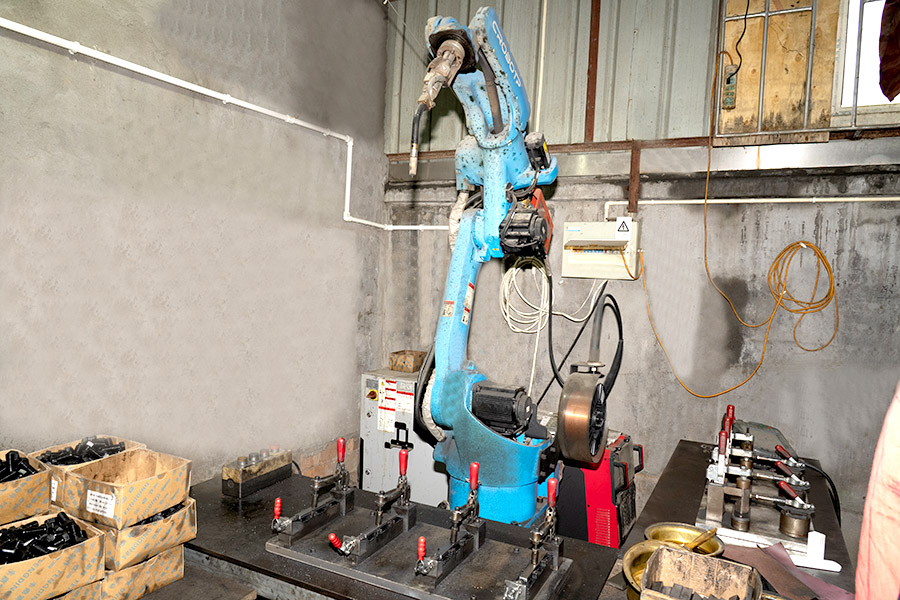
Automation and Robotics: Robotic arms and automated guided vehicles (AGVs) are increasingly used for material handling, welding, and assembly, increasing throughput and reducing labor costs.
Digital Fabrication and CAD/CAM: Advanced software allows for seamless integration of design and manufacturing, with 3D modeling, simulation, and nesting optimization reducing waste and lead times.
Fiber Laser Technology: Fiber lasers offer higher cutting speeds and energy efficiency compared to CO2 lasers, making them the preferred choice for many sheet metal cutting applications.
Additive Manufacturing for Tooling: 3D printing is used to produce die inserts, fixtures, and prototypes, reducing tooling costs and development time.
Industry 4.0 and IoT: Smart factories use sensors, data analytics, and machine learning to monitor equipment health, predict maintenance, and optimize production schedules.
Sustainable Practices: Manufacturers are adopting eco-friendly lubricants, reducing waste through improved nesting, and using recycled materials to minimize environmental impact.
These innovations ensure that sheet metal parts continue to meet the evolving demands of modern industry.
How to Choose a Sheet Metal Parts Manufacturer
Selecting the right manufacturer for sheet metal parts is critical for quality, cost, and delivery. Consider the following factors:
Technical Capabilities: Evaluate the manufacturer's equipment—presses, lasers, press brakes, welding machines—and their capacity for different thicknesses, materials, and complexity.
Quality Management: Look for certifications such as ISO 9001 and industry-specific certifications (AS9100, IATF 16949). Inquire about their quality control processes and inspection equipment.
Engineering Support: A good manufacturer offers design for manufacturability (DFM) feedback, helping to optimize the part design for cost and ease of production.
Lead Times and Capacity: Verify their production capacity and typical lead times to ensure they can meet your delivery schedules.
Cost and Value: While cost is important, consider the total value—quality, reliability, and service. The lowest bid may not be the best choice if it compromises quality or support.
Communication and Responsiveness: Choose a manufacturer that communicates clearly and is responsive to inquiries and changes.
A strong partnership with a reliable manufacturer ensures consistent quality and continuous improvement for your sheet metal parts.
Frequently Asked Questions About Sheet Metal Parts
What are sheet metal parts?
Sheet metal parts are components manufactured from thin, flat metal sheets through processes such as cutting, bending, forming, and joining. They are used in automotive, aerospace, electronics, construction, and many other industries.
What materials are commonly used for sheet metal parts?
Common materials include carbon steel, stainless steel, aluminum, copper, brass, titanium, and nickel alloys. The choice depends on the required mechanical properties, corrosion resistance, conductivity, and cost.
What are the main fabrication processes for sheet metal parts?
Key processes include laser cutting, punching, shearing, bending (press brake), deep drawing, stamping, welding, and surface finishing. The specific process sequence depends on the part's geometry and requirements.
What are the advantages of sheet metal parts?
Advantages include high strength-to-weight ratio, excellent conductivity (thermal and electrical), versatility in shape and size, cost-effectiveness for high volumes, and recyclability.
What are typical tolerances for sheet metal parts?
Typical tolerances range from ±0.005 to ±0.015 inches (0.13 to 0.38 mm), depending on the process and material. Tighter tolerances are possible but increase cost.
Can sheet metal parts be custom-designed?
Yes, sheet metal parts are highly customizable. Designs can be tailored to specific applications, with custom shapes, features, and finishes. Manufacturing partners often provide design assistance.
What is spring-back in sheet metal bending?
Spring-back is the tendency of metal to partially return to its original shape after bending. It is compensated for by over-bending or using specially designed tooling.
How are sheet metal parts joined together?
Common joining methods include welding (MIG, TIG, spot), riveting, screwing, and adhesive bonding. The choice depends on the material, strength requirements, and whether disassembly is needed.
What surface finishes are available for sheet metal parts?
Finishes include painting, powder coating, plating (zinc, nickel, chrome), anodizing (for aluminum), passivation (for stainless steel), and polishing. The finish is chosen for corrosion protection, aesthetics, or conductivity.
What is the minimum bend radius for sheet metal parts?
The minimum inside bend radius is typically at least the material thickness, but it depends on the material type and hardness. Softer materials allow tighter radii, while harder materials require larger radii to avoid cracking.
How is quality controlled in sheet metal fabrication?
Quality control includes material inspection, in-process monitoring, dimensional inspection (using CMMs, gauges), visual checks, and functional testing. Certifications like ISO 9001 ensure robust quality management systems.
What are the typical lead times for sheet metal parts?
Lead times vary based on part complexity and production volume. Simple parts can be produced within days, while complex parts with custom tooling may take several weeks.
Can sheet metal parts be recycled?
Yes, sheet metal is 100% recyclable. Scrap from fabrication and end-of-life parts can be melted and reused, making sheet metal an environmentally sustainable material.
What is the difference between sheet metal and plate metal?
Sheet metal is typically thinner—up to about 0.25 inches (6.35 mm)—while plate metal is thicker than 0.25 inches. The distinction affects the fabrication processes and equipment used.
How do I choose the right material for my sheet metal parts?
Consider the application's mechanical requirements, environmental exposure (corrosion, temperature), weight constraints, thermal/electrical needs, and budget. Consult with material suppliers and fabrication experts for guidance.

 Company Profile
 +86-189-57809418
 Zouxi Village, Tangxi Town, Yinzhou District, Ningbo City, Zhejiang Province, China
Copyright © Ningbo Mingli Electric Technology Co., Ltd. All rights reserved. Custom Hardware Parts Maunfacturers
