


 Eng
Eng 
 中文简体
中文简体
 Home / News / Industry News / What Are Stamping Metal Parts and Why Are They Essential in Modern Manufacturing?
 What Are Stamping Metal Parts and Why Are They Essential in Modern Manufacturing?
 2026.07.09
 Industry News
What Are Stamping Metal Parts?
Stamping metal parts are components produced through the metal stamping process, which involves placing a flat metal sheet or coil into a stamping press where a tool and die surface shape the metal into the desired form. The process can include a series of operations such as shearing, blanking, piercing, bending, drawing, and coining, often performed in a single stroke or across multiple stations in a progressive die.
Metal stamping is a cold-forming process, meaning it is performed at room temperature. This has several advantages: it maintains the material's mechanical properties, provides excellent dimensional accuracy, and produces a smooth surface finish. Stamping can create intricate shapes that would be difficult or impossible to achieve with other manufacturing methods, and it does so at high speeds, making it ideal for mass production.
Stamping metal parts are found in virtually every industry. Common examples include automotive body panels, electronic connectors, appliance housings, aerospace brackets, medical instrument components, and hardware like washers and springs. The versatility of the stamping process allows manufacturers to produce parts ranging in size from tiny electronic contacts to large structural members.
The Stamping Process: How Stamping Metal Parts Are Made
Understanding the production of stamping metal parts requires a look at the various processes involved. Depending on the complexity of the part, manufacturers may use a single-stage operation or a progressive die that performs multiple operations as the metal strip moves through the press.
Blanking and Piercing
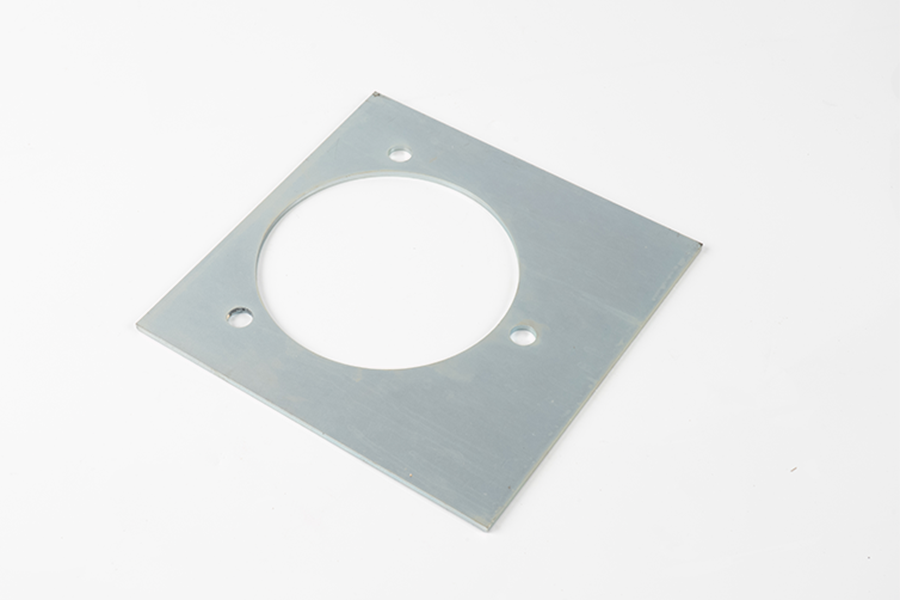
Blanking is the process of cutting a flat piece of metal from a larger sheet or coil. The shape of the blank is the desired part or the starting shape for further forming. Piercing, on the other hand, involves cutting holes or openings in the metal. These two operations are often combined, with blanking providing the outer contour and piercing creating internal features.
Bending and Forming
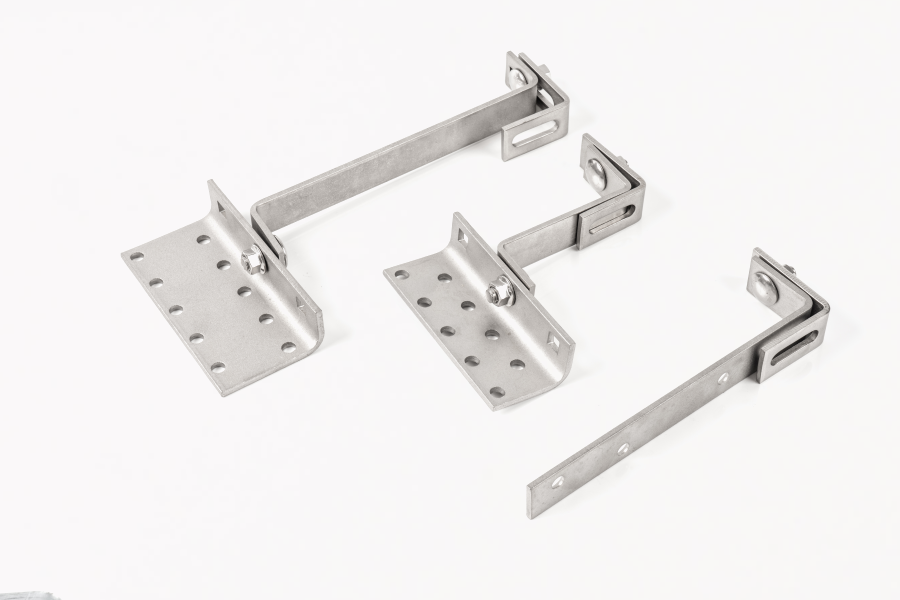
Bending is a forming operation that creates angles and channels in the metal strip. It is one of the most common stamping processes and is used to produce L-brackets, U-channels, and other angular shapes. Forming encompasses a range of operations that change the shape of the metal without removing material, including stretching, flanging, and hemming.
Deep Drawing
Deep drawing is a specialized forming process used to create hollow, cylindrical, or box-shaped parts from a flat blank. The blank is drawn into a die cavity by a punch, resulting in a seamless, cup-like shape. Deep drawing is commonly used for items like beverage cans, automotive fuel tanks, and kitchen sinks.
Coining and Embossing
Coining is a precision stamping operation that compresses the metal to create very fine details, such as raised numbers, letters, or patterns. It is often used for coins, medals, and precision electronic contacts. Embossing creates raised or recessed designs on the metal surface, adding texture and rigidity.
Progressive Die Stamping
Progressive die stamping is a high-volume production method in which a single die contains multiple stations, each performing a different operation. As the metal strip progresses through the die, it undergoes a series of cuts and forms until the finished part is ejected at the end. This method is highly efficient and reduces handling, making it ideal for large production runs of stamping metal parts.
Transfer Die Stamping
In transfer die stamping, the metal parts are moved from one die station to the next using mechanical transfer mechanisms. Unlike progressive stamping, where the strip feeds continuously, transfer stamping uses individual blanks that are transferred between stations. This approach is suitable for larger, more complex parts that may require additional handling or orientation.
Materials Used in Stamping Metal Parts
The choice of material is critical in stamping, as it affects the part's mechanical properties, cost, and suitability for the intended application. The most common materials used for stamping metal parts include:
Steel: Steel is the most widely used material in stamping due to its strength, durability, and cost-effectiveness. It is available in various grades, including low-carbon steel for general-purpose stamping, high-strength low-alloy steel for structural applications, and stainless steel for corrosion-resistant parts. Stainless steel stampings are used in medical devices, food processing equipment, and automotive trim.
Aluminum: Aluminum is lightweight, corrosion-resistant, and offers good thermal and electrical conductivity. It is commonly used in the automotive and aerospace industries for weight reduction. Aluminum stampings are also popular in electronics and consumer goods.
Copper and Brass: Copper and its alloys, such as brass and bronze, are highly conductive and resist corrosion. They are used in electrical connectors, terminals, and decorative hardware. Copper stampings are found in plumbing fittings, automotive radiators, and electronic components.
Nickel and Alloys: Nickel-based alloys, such as Inconel and Monel, are used in high-temperature and corrosive environments. They are common in aerospace, chemical processing, and marine applications.
Titanium: Titanium offers exceptional strength-to-weight ratio and corrosion resistance. It is used in aerospace, medical implants, and high-performance automotive components, though its higher cost limits its use to specialized stamping metal parts.
The selection of material depends on factors such as required mechanical properties, environmental exposure, formability, and cost. Manufacturers often work closely with material suppliers to select the optimal grade for their stamping metal parts.
Advantages of Stamping Metal Parts
Metal stamping offers several compelling advantages over other manufacturing processes, making it a preferred method for producing a wide range of components.
High Efficiency and Speed: Stamping presses can operate at high speeds, producing hundreds or thousands of parts per hour. Progressive dies further enhance efficiency by performing multiple operations in a single press stroke, significantly reducing cycle times.
Cost-Effectiveness for Large Volumes: Once the die is manufactured, the cost per part decreases with volume, making stamping highly economical for high-volume production runs. The process minimizes material waste through optimized nesting and scrap recovery.
Excellent Dimensional Accuracy: Stamping metal parts achieve tight tolerances, often within ±0.001 inches or better. This precision ensures that parts fit and function correctly in assemblies, reducing the need for secondary machining.
Superior Surface Finish: The cold-forming nature of stamping produces smooth surfaces with minimal burrs, often eliminating the need for additional finishing operations.
Versatility in Shape and Complexity: Stamping can produce a vast array of geometries, from simple flat washers to intricate three-dimensional components with multiple features. The process is adaptable to nearly any metal that can be formed at room temperature.
Strength and Durability: The work hardening that occurs during cold forming increases the strength of the metal, resulting in stamping metal parts that are often stronger than those produced by casting or machining.
Challenges and Limitations of Stamping Metal Parts
While stamping is highly advantageous, it also presents certain challenges that manufacturers must address.
High Initial Tooling Cost: The design and fabrication of stamping dies can be expensive, especially for complex parts. This cost is often justified for large production runs but may be prohibitive for low-volume production.
Material Thickness Limitations: Stamping is most effective for thin to medium-thickness materials. Very thick metals may require alternative processes such as hot stamping or forging.
Design Constraints: Certain features, such as undercuts or deep internal cavities, may be difficult or impossible to achieve with stamping. The part design must be optimized for the stamping process to avoid issues like tearing, wrinkling, or spring-back.
Lead Time for Die Development: The time required to design, manufacture, and test dies can be lengthy, particularly for complex parts. This can slow down product development cycles.
Scrap and Material Utilization: While stamping is generally efficient, complex shapes may generate significant scrap, especially when using high-cost materials. Advanced nesting techniques can minimize waste.
Despite these challenges, the benefits of stamping often outweigh the drawbacks, especially for high-volume production of stamping metal parts with consistent quality.
Quality Control in Stamping Metal Parts
Ensuring the quality of stamping metal parts is essential for meeting performance and safety standards. Quality control begins at the design stage and continues through production and final inspection.
Material Inspection: Incoming material is inspected for thickness, hardness, surface finish, and chemical composition to ensure it meets specifications. This prevents defects that could arise from substandard materials.
Process Monitoring: During stamping, parameters such as press speed, tonnage, and temperature are monitored to maintain consistent conditions. In-die sensors can detect part presence, mis-feed, or tool wear, allowing for real-time adjustments.
Dimensional Inspection: Critical dimensions are measured using coordinate measuring machines (CMMs), optical comparators, and gauges. Statistical process control (SPC) is often employed to track variations and prevent out-of-tolerance parts from reaching the customer.
Visual and Surface Inspection: Parts are inspected for defects such as scratches, burrs, cracks, and surface irregularities. Automated vision systems are increasingly used for high-speed inspection.
Testing and Validation: Depending on the application, stamping metal parts may undergo mechanical testing (tensile, hardness, fatigue) to verify strength and durability. Functional testing ensures that the part performs as intended in the final assembly.
Certifications such as ISO 9001 and IATF 16949 (for automotive) demonstrate a manufacturer's commitment to quality and process control.
Applications of Stamping Metal Parts Across Industries
Stamping metal parts are ubiquitous in modern industry. Below are some key sectors where stamping plays a vital role.
Automotive Industry: The automotive sector is one of the largest consumers of stamping metal parts. Components include body panels, chassis parts, engine brackets, transmission components, door hinges, and seat frames. The trend toward lightweighting has increased the use of high-strength steel and aluminum stampings.
Aerospace and Defense: Aerospace stampings must meet stringent standards for strength, weight, and reliability. They are used in airframes, engine components, and control systems. Materials such as titanium and nickel alloys are common in this sector.
Electronics and Electrical: Stamping metal parts are essential in electronics, producing connectors, terminals, lead frames, shielding cans, and heat sinks. The precision and repeatability of stamping ensure reliable electrical contacts and circuit connections.
Medical Devices: Stainless steel and titanium stampings are used in surgical instruments, implants, and diagnostic equipment. The biocompatibility and corrosion resistance of these materials are critical in medical applications.
Appliances and Consumer Goods: Household appliances such as refrigerators, washing machines, and ovens rely on stampings for structural components, panels, and internal mechanisms. Consumer goods like furniture hardware and power tool parts also benefit from stamping.
Industrial Machinery: Heavy machinery and equipment use stampings for brackets, guards, frames, and components requiring high strength and durability.
Renewable Energy: Stamping metal parts are used in solar panel frames, wind turbine components, and battery enclosures for electric vehicles, supporting the growth of green technologies.
Trends and Innovations in Stamping Metal Parts
The field of metal stamping continues to evolve, driven by advances in materials, automation, and digitalization.
Advanced High-Strength Steels (AHSS): The use of AHSS allows for lighter, stronger stampings, particularly in automotive applications. These materials require specialized tooling and press capabilities but offer significant weight savings.
Servo Press Technology: Servo presses provide precise control over slide motion, speed, and position, improving part quality and reducing energy consumption. They enable complex forming operations, such as deep drawing, with greater accuracy.
Additive Manufacturing for Tooling: 3D printing is increasingly used to produce stamping dies and inserts, reducing lead times and enabling intricate cooling channels for improved tool life.
Industry 4.0 and Smart Factories: Sensors, data analytics, and machine learning are being integrated into stamping presses to enable predictive maintenance, real-time quality control, and process optimization.
Lightweighting: The push for fuel efficiency and reduced emissions is driving the adoption of lighter materials, including aluminum and magnesium, in stamping metal parts.
Sustainability: Manufacturers are focusing on reducing waste, recycling scrap, and using eco-friendly lubricants, aligning stamping practices with environmental goals.
These innovations ensure that stamping remains a cutting-edge manufacturing process, delivering high-quality stamping metal parts for the evolving needs of industry.
How to Choose a Stamping Metal Parts Supplier
Selecting the right supplier for stamping metal parts is critical for product quality, cost, and delivery. Consider the following factors.
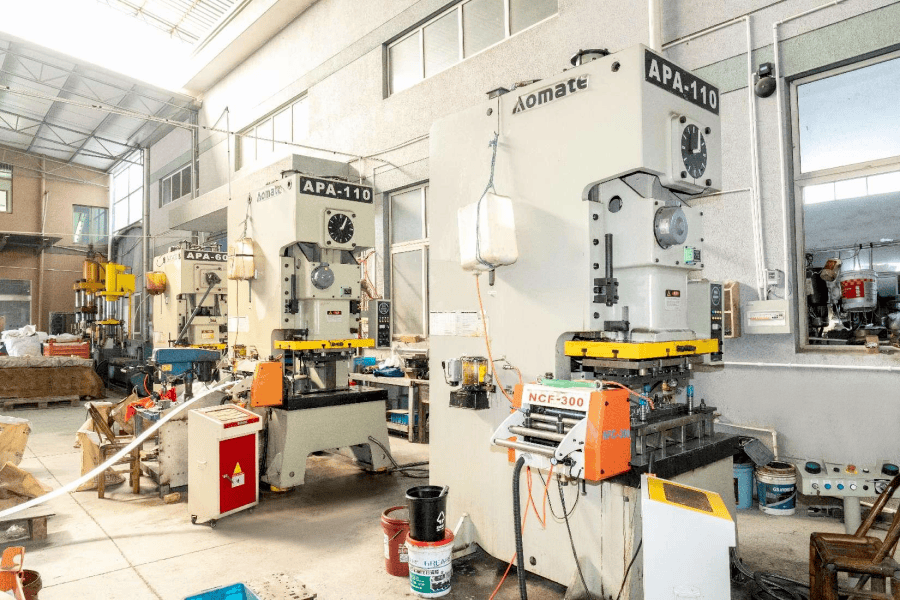
Technical Capabilities: Evaluate the supplier's press capacity, die-making expertise, and material handling capabilities. Assess their ability to handle the complexity and volume of your parts.
Quality Management: Look for certifications such as ISO 9001 or IATF 16949, and inquire about their quality control procedures, inspection equipment, and defect tracking.
Experience and Industry Expertise: A supplier with experience in your specific industry (automotive, aerospace, electronics) will better understand your requirements and regulatory standards.
Tooling Capabilities: In-house tool design and fabrication can reduce lead times and costs. Ensure the supplier has skilled toolmakers and modern equipment for die maintenance and repair.
Production Capacity and Lead Times: Verify their production capacity to meet your volume demands and delivery schedules. Ask about their supply chain and raw material sourcing.
Cost and Value: While cost is important, consider the total value, including quality, reliability, and technical support. Low-cost suppliers may compromise on quality.
Communication and Support: Choose a supplier that communicates proactively and offers engineering support for design optimization and troubleshooting.
A strong partnership with a reliable supplier ensures consistent quality and ongoing improvements in your stamping metal parts.
Frequently Asked Questions About Stamping Metal Parts
What are stamping metal parts?
Stamping metal parts are components produced by pressing flat metal sheets or coils through dies and presses to cut, bend, or form them into specific shapes. The process is cold-forming and includes operations such as blanking, piercing, bending, drawing, and coining.
What materials are commonly used in stamping metal parts?
Common materials include steel (carbon, stainless, high-strength), aluminum, copper, brass, nickel alloys, and titanium. The choice depends on the part's mechanical, thermal, and chemical requirements.
What is the difference between progressive die stamping and transfer die stamping?
In progressive die stamping, a single die has multiple stations, and the metal strip progresses through each station to perform successive operations. In transfer die stamping, individual blanks are transferred between separate dies using mechanical arms or other means. Progressive stamping is faster for high volumes, while transfer stamping is suitable for larger or more complex parts.
What are the advantages of stamping over machining or casting?
Stamping is faster and more cost-effective for high-volume production. It produces parts with excellent dimensional accuracy and surface finish, often eliminating the need for secondary operations. Stamping also strengthens materials through work hardening.
What are the typical tolerances for stamping metal parts?
Typical tolerances range from ±0.005 to ±0.001 inches, depending on the part size and complexity. High-precision stamping can achieve even tighter tolerances for critical applications.
Can stamping metal parts be customized?
Yes, stamping is highly customizable. Parts can be designed with specific shapes, dimensions, and features to meet application requirements. Custom tooling is fabricated to produce unique parts.
What is spring-back in stamping and how is it controlled?
Spring-back is the tendency of metal to partially return to its original shape after forming. It is controlled by adjusting die geometry, overbending, and using materials with predictable behavior. Advanced simulation software helps predict spring-back and compensate during die design.
How do I ensure the quality of stamping metal parts?
Quality is ensured through material inspection, process monitoring, dimensional inspection, and functional testing. Suppliers with ISO 9001 or IATF 16949 certifications follow strict quality management systems.
What is the typical lead time for stamping die fabrication?
Lead times vary based on part complexity. Simple dies may take 4-6 weeks, while complex progressive dies can take 12-20 weeks or more. Rapid prototyping and additive manufacturing are reducing these times.
Can stamping be used for very thick materials?
Stamping is most effective for materials up to about 1/4 inch (6 mm) thick. Thicker materials may require alternative processes such as hot stamping, forging, or machining.
What are the environmental considerations in stamping metal parts?
Stamping produces scrap metal that is generally recyclable. Lubricants and coolants require proper disposal. Manufacturers are adopting eco-friendly practices, including recycling scrap, using biodegradable lubricants, and reducing energy consumption.
What is the cost structure of stamping metal parts?
Costs include die tooling (one-time), material, labor, and press time. Tooling costs are amortized over the production volume, making stamping highly cost-effective for high quantities.
What is the role of CNC machining in stamping?
CNC machining is often used to manufacture the stamping dies with high precision. It may also be used for secondary operations on stamped parts, such as drilling, tapping, or finishing, though stamping aims to minimize such steps.
Can stamping metal parts be welded or assembled?
Yes, stampings can be welded, riveted, or assembled with other components. The design may include features to facilitate assembly, such as pilot holes or locating notches.
How is the quality of stamped metal parts inspected?
Inspection methods include coordinate measuring machines (CMMs), optical comparators, gauges, and vision systems. Statistical process control (SPC) monitors production trends to prevent defects.

 Company Profile
 +86-189-57809418
 Zouxi Village, Tangxi Town, Yinzhou District, Ningbo City, Zhejiang Province, China
Copyright © Ningbo Mingli Electric Technology Co., Ltd. All rights reserved. Custom Hardware Parts Maunfacturers
