


 Eng
Eng 
 中文简体
中文简体

What is sheet metal processing?
 2026.06.25
 Industry News
The modern manufacturing sector relies heavily on the ability to transform raw materials into precise, functional components that support global infrastructure, transportation, electronics, and consumer goods. Among the various manufacturing methodologies available today, sheet metal processing stands out as one of the most versatile, cost effective, and structurally vital fabrication systems. This specialized discipline involves the manipulation of thin, flat sheets of metal, converting them into complex three dimensional shapes through a series of highly coordinated mechanical, thermal, and chemical operations. From the protective enclosures of delicate electronic servers to the robust structural frames of heavy commercial aircraft, components produced through these techniques are foundational to contemporary technology.
To fully understand this complex manufacturing field, it is necessary to examine the underlying materials science, the physics of metal deformation, and the specialized machinery utilized in modern fabrication facilities. Unlike casting or machining from solid billets, sheet metal processing preserves the inherent tensile strength of the material while minimizing material waste. By exploring the detailed mechanics of cutting, forming, joining, and surface treatment, manufacturers can optimize production cycles, achieve exceptional dimensional accuracy, and select the ideal configurations for their specific applications.
Fundamental Mechanics of Sheet Metal Processing
The success of any fabrication project depends on a deep understanding of the raw materials and the physical forces that govern their behavior. Sheet metal behaves in highly predictable ways when subjected to external forces, and mastering these physical principles is the first step toward achieving precision in production.
Material Selection and Sheet Thickness Classifications
Fabricators must evaluate a wide range of metals to select the optimal material for a given project, balancing structural strength, corrosion resistance, electrical conductivity, and cost. Carbon steel is the most widely used material due to its exceptional mechanical strength and affordability. Cold rolled steel is preferred for components requiring high dimensional accuracy and a smooth surface finish, whereas hot rolled steel is utilized for larger structural parts where surface aesthetics are less critical. Stainless steel, which contains significant percentages of chromium and nickel, is selected for applications requiring superior corrosion resistance, such as food processing equipment and medical devices.
Aluminum is another highly popular material, prized for its excellent strength to weight ratio, natural corrosion resistance, and thermal conductivity, making it the standard choice for the aerospace and automotive industries. Copper and brass are utilized when high electrical or thermal conductivity is required, or when specific decorative finishes are desired. The thickness of these metals is commonly classified by a standardized gauge system, where a higher gauge number indicates a thinner sheet of metal, or it is measured directly in millimeters for metric engineering layouts. Understanding how the thickness of the metal sheet influences its flexibility and load bearing capacity is essential for proper system design.
The Core Physics of Metal Deformation
When a force is applied to a sheet of metal, the material undergoes a transition from elastic deformation to plastic deformation. During the initial phase of loading, the metal behaves like a spring, meaning that if the force is removed, the sheet will return to its original flat state. This temporary state is governed by the modulus of elasticity of the material, which represents the stiffness of the metal bonds.
To permanently change the shape of the metal, the applied force must exceed the yield strength of the material, pushing it into the region of plastic deformation. In this state, the atomic planes within the metal crystal lattice slide past one another, causing permanent changes in shape without causing material fracture. Fabricators must carefully calculate the tensile strength and elongation limits of the metal to ensure that the material is formed correctly without tearing, thinning excessively, or cracking along the bend lines. The direction of the metal grain, which is established during the original rolling process at the mill, also influences how the sheet responds to deformation, requiring engineers to align bend lines perpendicular to the grain direction whenever possible to maximize structural integrity.
Primary Cutting and Shaping Techniques in the Fabrication Line
Before a sheet of metal can be formed into a three dimensional structure, it must be cut into a precise two dimensional blank. Modern fabrication facilities utilize a variety of advanced thermal and mechanical cutting systems to achieve clean edges and tight tolerances.
Laser Cutting Mechanics and Modern Fiber Lasers
Laser cutting has become the dominant technology for producing highly detailed and complex metal blanks. This process utilizes a highly focused, high energy light beam to melt, burn, or vaporize the metal along a programmed path, while a coaxial gas stream, such as nitrogen or oxygen, blows the molten material away to create a clean, narrow slit known as the kerf. Modern fiber lasers, which utilize solid state laser diodes to generate the light beam, offer exceptional speed and energy efficiency, particularly when cutting thin to medium gauges of aluminum, stainless steel, and carbon steel.
The primary advantage of laser cutting systems is their incredible precision and flexibility. Because the process is entirely controlled by computer numerical control software, designers can easily transition from prototype production to high volume manufacturing runs without the need for expensive custom tooling. Laser cutting also minimizes the heat affected zone, which is the region of metal surrounding the cut that experiences structural changes due to intense heat. By keeping this zone as small as possible, laser cutting preserves the original mechanical properties of the metal, preventing brittleness and ensuring that the cut edges are ready for subsequent bending or welding processes.
Mechanical Shearing and Punching Press Operations
While laser systems offer unparalleled geometric flexibility, mechanical cutting methods remain highly efficient for straight lines and high volume production of standardized shapes. Shearing is the process of cutting straight lines through a metal sheet using an upper moving blade and a fixed lower blade, similar to the action of a pair of heavy industrial scissors. This method is exceptionally fast and is commonly used to downsize large mill sheets into smaller, workable blanks for subsequent processing.
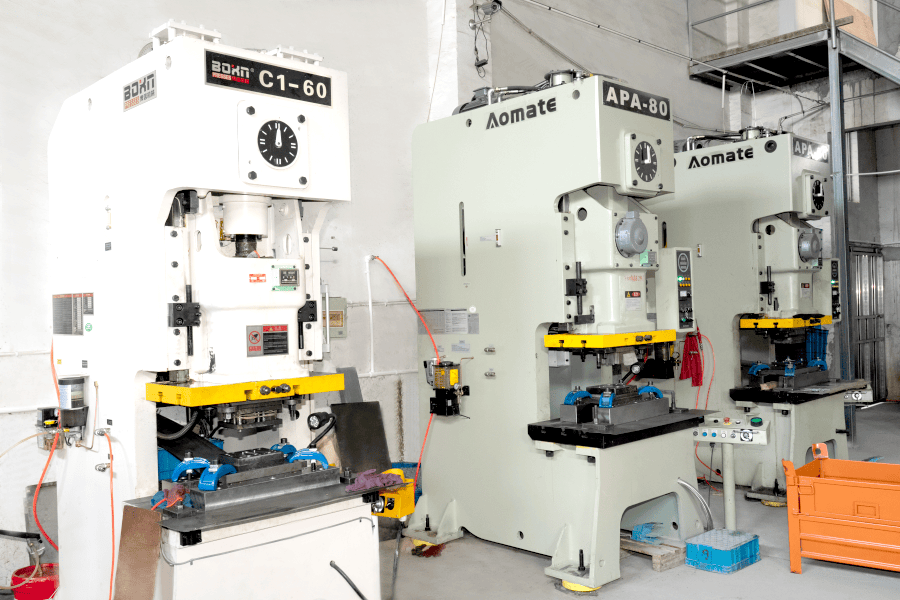
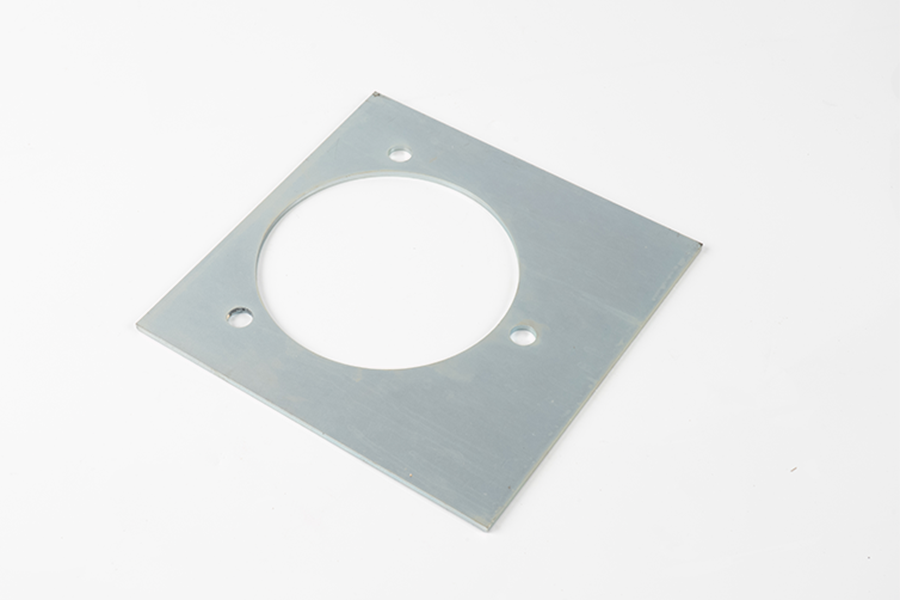
For high volume production of components with multiple holes, slots, or repetitive patterns, turret punch presses are highly effective. A turret press contains a rotating carousel of punches and dies of various shapes and sizes. As the sheet metal is positioned beneath the turret, a mechanical or hydraulic ram drives the selected punch through the metal into the corresponding die, shearing out a clean slug of material. This process is incredibly fast, capable of executing hundreds of hits per minute, and it can also perform specialized forming operations, such as creating louvers, countersinks, and card guides directly during the punching cycle.
Advanced Forming and Bending Methodologies
Once the flat blanks have been cut to the precise dimensions, they are transferred to the forming department, where they are bent, rolled, or drawn into their final three dimensional configurations. This stage requires specialized machinery and highly skilled operators to manage the physical variables of metal stretching.
Press Brake Operation and the Concept of Springback
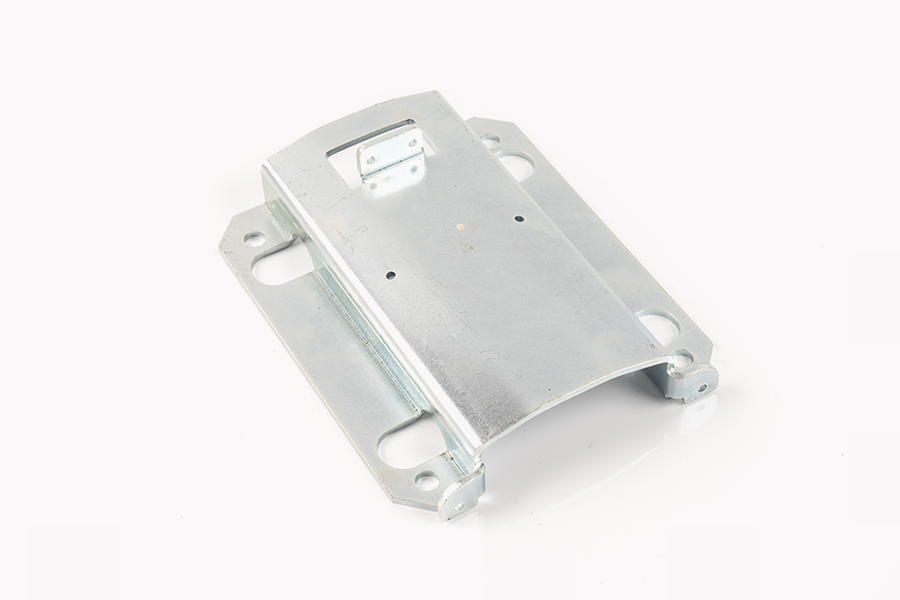
Bending is the most common forming operation in sheet metal processing, and it is primarily executed using a machine called a press brake. A press brake utilizes a matched punch and die set to force the metal along a straight line. The metal sheet is positioned over a V shaped or U shaped die, and a heavy ram drives the upper punch down into the sheet, forcing it to conform to the angle of the tool.
One of the greatest challenges in press brake operation is managing springback, which is the tendency of the metal to partially return to its original flat shape after the bending force is released. This phenomenon is caused by the elastic recovery of the outer fibers of the metal sheet, which were stretched but did not reach their plastic yield limit. To compensate for springback, operators must overbend the metal by a few degrees, ensuring that the material settles at the precise target angle once the pressure is removed. The amount of springback is influenced by several variables, including the yield strength of the metal, the thickness of the sheet, and the radius of the bend, requiring precise calculations and advanced CNC controller feedback to achieve consistent results.
Roll Forming and Deep Drawing for Complex Geometries
While press brakes are ideal for straight, localized bends, other geometries require continuous or multi directional forming techniques. Roll forming is a highly efficient, continuous bending process used to manufacture long, uniform profiles from coils of sheet metal. The metal strip is fed through a series of paired rollers, with each consecutive pair performing a progressive bend until the desired cross sectional shape is achieved. This methodology is exceptionally suited for high volume production of structural channels, gutters, and architectural trim, offering high speed operation and minimal material handling.
Deep drawing is a specialized forming technique used to create deep, hollow, cylindrical, or box shaped components, such as kitchen sinks, beverage cans, and automotive fuel tanks. During deep drawing, a flat metal blank is clamped over a die cavity, and a mechanical punch forces the metal to stretch and flow into the die. To prevent the sheet from wrinkling or tearing as it is drawn inward, a blank holder applies a controlled holding force, allowing the metal to slide smoothly into the cavity. This process requires highly ductile materials, such as specific grades of aluminum or deep drawing quality steel, along with high quality lubricants to minimize friction and prevent material galling.
Assembly, Joining, and Welding Technologies
After the individual sheet metal parts have been cut and formed, they must be assembled to create the final product. Fabricators utilize a combination of thermal fusion, mechanical fastening, and chemical bonding to join components securely.
Fusion Welding Processes and Structural Integrity
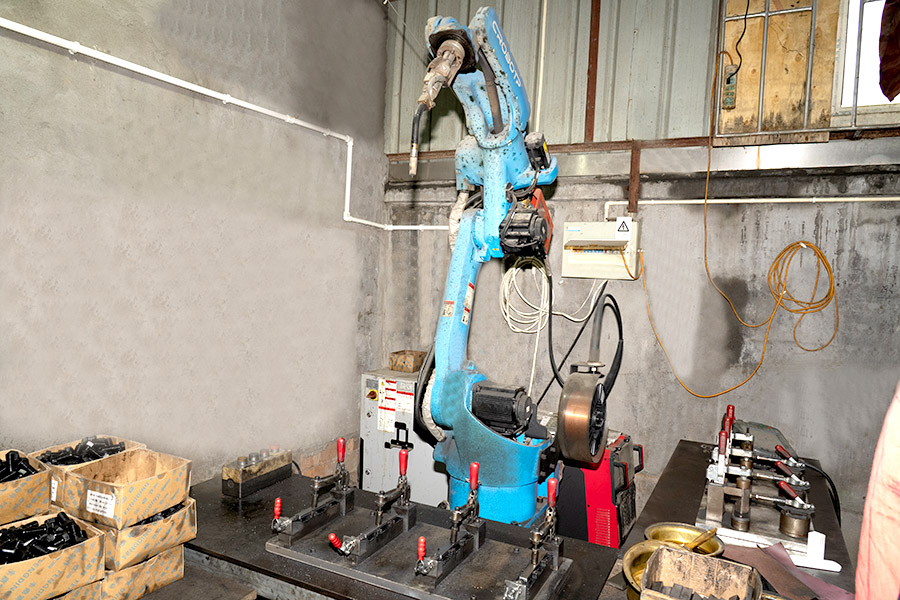
Welding is the primary method for creating permanent, high strength joints between sheet metal components. Tungsten inert gas welding, commonly referred to as TIG welding, is highly valued in sheet metal fabrication because it offers exceptional control over the heat input, resulting in highly precise and clean welds on thin materials such as stainless steel and aluminum. Metal inert gas welding, or MIG welding, is preferred for high speed production and thicker steel assemblies, as it utilizes a continuously fed wire electrode to deposit weld metal quickly.
For high volume production of sheet metal enclosures and automotive panels, resistance spot welding is exceptionally efficient. This process involves clamping two overlapping sheets of metal between copper electrodes and passing a high electrical current through them. The electrical resistance of the metal at the joint interface generates intense localized heat, melting the sheets together at a single point to create a strong weld nugget. Regardless of the welding method used, fabricators must manage thermal distortion, as the intense heat of welding causes localized expansion and contraction, which can warp thin sheet metal assemblies if not controlled through proper jigging, clamping, and sequencing of the weld joints.
Mechanical Fastening Systems and Riveting Solutions
While welding provides exceptional structural strength, mechanical fastening is often preferred when joining dissimilar materials, when components must be disassembled for maintenance, or when thermal distortion must be avoided entirely. Self clinching fasteners, which are commonly known as Pem fasteners, are highly popular in precision sheet metal fabrication for electronics and telecommunications. These threaded nuts, studs, and standoffs are pressed into pre drilled holes in the sheet metal, where the cold flow of the metal host material locks the fastener securely into place, creating a high strength, permanent thread that cannot be stripped easily.
Riveting is another time tested mechanical joining method, particularly in aircraft construction and heavy structural assemblies. Blind rivets, commonly referred to as pop rivets, allow operators to join two sheets of metal from only one accessible side, making them ideal for closed enclosures and hollow sections. Additionally, structural adhesives and double sided industrial tapes are increasingly utilized in modern assembly lines, providing clean, fastener free surfaces and distributing mechanical loads evenly across the entire joint area, which helps to reduce localized stress concentrations and dampen vibration.
Comparative Analysis of Cutting and Forming Methods
To assist designers and engineers in selecting the most appropriate manufacturing methods for their components, the table below provides a detailed comparison of the primary sheet metal processing techniques.
|
Processing Technique |
Tooling Setup Cost |
Geometric Complexity |
Material Waste Rate |
Surface Finish Impact |
Typical Production Volume |
|---|---|---|---|---|---|
|
Laser Beam Cutting |
Very low as it is controlled by digital software |
High, can cut intricate shapes and fine details |
Low, parts can be nested tightly on the sheet |
Excellent, minimal thermal marking on edges |
Prototype to high volume production runs |
|
Mechanical Punching |
Moderate to high due to custom turret tooling |
Low to moderate, limited by tool shapes |
Moderate, produces scrap slugs from holes |
Good, but can leave minor witness marks |
Medium to high volume standardized parts |
|
Press Brake Bending |
Low to moderate, utilizes standard dies |
Moderate, limited to straight bend lines |
Zero as the flat blank is preserved |
Minimal, though die lines can appear on soft metal |
Low to high volume fabricated brackets |
|
Progressive Roll Forming |
Very high due to custom matching roller sets |
Low, limited to constant cross sections |
Very low, continuous coil feeding |
Good, requires proper lubrication to avoid scratches |
High to extremely high continuous runs |
Surface Finishing and Protective Treatment Protocols
Sheet metal components are often exposed to harsh environments, mechanical wear, and chemical exposure during their service lives. Applying a suitable surface treatment is essential to protect the underlying metal from corrosion and to achieve the desired aesthetic appearance.
Powder Coating and Liquid Paint Shielding
Powder coating is one of the most durable and environmentally friendly surface finishing methods available in the sheet metal processing industry. The process involves spraying a dry, electrostatically charged powder mixture of thermoplastic or thermosetting polymer onto the grounded metal component. The electrostatic attraction ensures that the powder clings uniformly to all surfaces, including complex corners and recessed areas that are difficult to reach with traditional liquid sprays.
After the powder has been applied, the component is transferred to a curing oven heated to temperatures between one hundred and eighty and two hundred degrees Celsius. Under this intense heat, the powder melts, flows, and chemically cross links to form a tough, continuous plastic skin that is highly resistant to scratching, chipping, UV radiation, and chemical degradation. Liquid paint systems are also utilized, particularly when color matching requirements are exceptionally precise or when components cannot withstand the high temperatures required to cure powder coatings.
Chemical Passivation and Anodizing Treatments
For non ferrous metals and stainless steel, chemical surface treatments are often preferred to enhance natural properties without applying a thick topcoat. Anodizing is an electrochemical process used to thicken the natural oxide layer on the surface of aluminum components. The aluminum part is submerged in an acid electrolyte bath and an electrical current is passed through the system, converting the metal surface into a hard, porous aluminum oxide layer that is integrated with the underlying metal. This anodized layer provides exceptional corrosion protection and wear resistance, and the porous structure can be dyed in a wide variety of vibrant colors before being sealed, creating an attractive, metallic finish highly valued in consumer electronics and architectural design.
Passivation is a critical chemical treatment for stainless steel parts, especially after cutting, forming, or welding. During fabrication, microscopic particles of free iron from the tooling can be transferred onto the stainless steel surface, where they will oxidize and cause rust spots. Passivation involves treating the component with a mild acid solution, such as citric or nitric acid, which selectively dissolves the surface contaminants without attacking the stainless steel. This process restores the passive, chromium rich oxide layer on the surface, ensuring the material retains its superior corrosion resistance in demanding chemical and medical environments.
Quality Control and Dimensional Precision Standards
Achieving consistent quality in sheet metal processing requires rigorous inspection protocols and a deep understanding of dimensional tolerances. Because thin sheets of metal are prone to flexing, maintaining tight tolerances throughout the production run is a highly demanding discipline.
Coordinate Measuring Machines and Optical Inspection Systems
Modern quality control departments utilize highly sophisticated measuring equipment to verify the dimensional accuracy of fabricated parts against their digital CAD models. Coordinate measuring machines, which are commonly referred to as CMMs, use physical probes or laser scanners to measure the exact coordinates of points on the surface of a component, verifying hole locations, bend angles, and overall geometry with sub micron precision.
For flat parts and blank layouts, high speed optical inspection systems are exceptionally efficient. These systems project a high resolution light pattern onto the flat metal sheet, capturing the reflected image with digital cameras to instantly calculate the dimensional profile of the part. This allows quality control technicians to inspect entire production lots in a fraction of the time required for manual measurements, identifying tool wear or machine calibration drift before the parts are sent to the bending department.
Tolerances and Geometric Dimensioning in Production Run Assemblies
Developing an efficient quality control system requires designers to establish realistic tolerances that balance functional performance with manufacturing costs. In sheet metal processing, tolerances are influenced by many variables, including the thickness of the metal, the consistency of the material alloy, the condition of the press brake tooling, and the thermal expansion of the laser cutting beds.
To manage these variables, engineers utilize the principles of geometric dimensioning and tolerancing, which provides a standardized language for defining how much a part feature can deviate from its nominal design. For precision sheet metal assemblies, typical linear tolerances range from plus or minus zero point one millimeters for laser cut features, and up to plus or minus zero point five millimeters for complex, multi bend formed parts. Understanding the accumulation of these tolerances across multiple assembled components is essential for ensuring that final products fit together seamlessly on the assembly line, minimizing the need for costly manual adjustments or scrap during the final stages of production.

 Company Profile
 +86-189-57809418
 Zouxi Village, Tangxi Town, Yinzhou District, Ningbo City, Zhejiang Province, China
Copyright © Ningbo Mingli Electric Technology Co., Ltd. All rights reserved. Custom Hardware Parts Maunfacturers
