


 Eng

 中文简体

 Home / News / Industry News / Sheet Metal Processing: A Practical Buyer's Guide to Fit, Finish and Supply
Sheet Metal Processing: A Practical Buyer's Guide to Fit, Finish and Supply
 2026.10.29
 Industry News
A 0.8 mm stainless bracket can look simple on a drawing, yet a 0.2 mm bend allowance error, an unclear grain direction, or a last-minute finish change can turn a low-cost part into a rework loop. That is the practical reality of sheet metal processing: the result is not defined by a single laser, punch press or press brake, but by how well the drawing, material, tooling, tolerances and inspection plan agree with one another.
The short answer is that sheet metal processing is a controlled sequence of forming and joining steps—blanking, laser cutting, punching, bending, welding, tapping, finishing and assembly—where cost and quality are decided long before the first cut. Buyers who treat it as a commodity often meet avoidable tooling charges, tolerance stack-ups and late-stage fit problems. Buyers who treat it as a manufacturing system get clearer quotes, predictable parts and fewer surprises at incoming inspection.
What Sheet Metal Processing Covers
Sheet metal processing is often described as cutting, bending and welding, but that summary hides the decisions that determine whether a part is repeatable. A typical scope includes flat pattern development, nesting and cutting, hole formation, forming, hardware insertion, joining, surface preparation and final inspection. Each step changes the next one: a punched hole near a bend line can distort during forming; a weld on thin gauge can pull the part out of flatness; a powder coat can close a critical clearance.
Core process steps
- Cutting and blanking: laser, punch or shear operations establish the flat outline and internal cutouts.
- Forming: press brakes, forming tools or stamping presses create bends, ribs, flanges and stiffening features.
- Joining: welding, riveting, clinching, tapping and hardware insertion connect parts or add attachment points.
- Finishing: deburring, cleaning, plating, painting or powder coating protect the surface and affect fit.
- Inspection and packing: dimensional checks, fit checks and protected packaging preserve the approved condition.
For a broader view of how these operations fit into equipment and industrial products, this overview of sheet metal components is a useful reference. The key point for buyers is that sheet metal processing is not a single service. It is a chain of tolerances, and the weakest link usually appears at assembly or installation, not on the quote sheet.
The Cost Drivers Buyers Usually Miss
Price differences in sheet metal processing usually come from four places: material utilization, tooling, tolerance demand and inspection workload. A quote that looks 15% lower may assume a looser flatness, a standard bend radius, a less expensive finish, or a nesting layout that wastes less material but limits later design changes. None of those assumptions is automatically wrong—but they need to be visible before production.
| Decision area | Common default | What to verify | Commercial effect |
|---|---|---|---|
| Material and thickness | Use the nearest stock gauge | Formability, corrosion demand, grain direction and availability | Small material changes can alter bend allowance, springback and finish adhesion. |
| Tolerances | Apply a general tolerance block | Critical dimensions, datum scheme, hole-to-bend distances and inspection method | Over-tight tolerances add checking time; loose tolerances can fail at assembly. |
| Tooling | Use existing press brake tools | Bend radius, flange length, relief cuts and tool access | Custom tooling may cost more upfront but reduce handling and variation in volume production. |
| Finishing | Specify “painted” or “coated” | Coating thickness, masking, edge coverage and rack marks | Finish build can change hole clearance and thread fit if masking is not defined. |
The practical lesson is to separate “drawing requirements” from “process preferences.” A supplier should be able to explain which tolerances are functional, which are cosmetic, and which are simply inherited from a template. That conversation often saves more money than a round of price negotiation.
Tolerances, Form and Fit in Real Parts
Sheet metal parts rarely fail because one dimension is missing. They fail because a stack of individually acceptable dimensions does not fit together. A bracket may be within its flat pattern tolerance, within its bend angle tolerance and within its hole position tolerance, yet still miss the mating panel because the datum was never agreed. This is why sheet metal processing quotes should be read together with the inspection plan, not as isolated documents.
Form tolerances deserve particular attention. Flatness affects welding and assembly; perpendicularity affects mating faces; bend angle tolerance affects flange alignment. On thin material, springback and residual stress can move a part after it leaves the press brake. On thicker material, tooling load and inside radius become more important. A supplier does not need to publish a full process capability study for every RFQ, but it should be able to state how it will measure the critical features and what it will do if the first article drifts.
Why general tolerances fail
General tolerances are efficient for non-critical features, but they are a poor substitute for a functional datum scheme. If a hole is used for alignment, its position relative to the mating feature matters more than its position relative to the sheet edge. If a bend carries a seal or a cover, the angle and flange height deserve individual attention. Buyers can help by marking critical characteristics on the drawing and stating the assembly condition the part must satisfy.
Material, Thickness and Surface Treatment
Material choice is a manufacturing decision as much as an engineering one. Cold-rolled steel, galvanized steel, stainless steel and aluminum behave differently in cutting, forming and welding. Thickness affects stiffness, bend radius and springback. Surface condition affects coating adhesion and appearance. A part that is technically feasible in one grade may be commercially awkward in another because of stock availability, minimum order quantity or secondary operations.
Surface treatment needs the same precision. Plating, painting and powder coating add thickness, and that thickness can change fit. Threads, grounding points, sliding surfaces and mating faces may need masking. If the drawing says “finish per sample” without defining color, gloss, thickness or corrosion performance, the buyer carries the risk of a subjective acceptance decision. A better approach is to define the finish standard, the masked areas and the inspection method in the RFQ.
For export programs, packaging is part of the process. Thin-gauge parts can distort in transit; sharp edges can damage adjacent components; mixed kits can create line-side sorting work. The supplier’s packing method should protect the approved geometry, not just fill a carton.
From Drawing to Production Approval
A disciplined approval path reduces the chance that a sheet metal processing project moves directly from a PDF to a container. The sequence below is a practical baseline for custom parts, whether the order is a low-volume bridge batch or a repeat production schedule.
- Clarify the drawing: confirm material, thickness, finish, critical dimensions, datum scheme and any assembly context.
- Review manufacturability: check bend radii, flange lengths, hole-to-bend distances, tool access, weld access and tolerance stack-up.
- Approve the flat pattern and tooling approach: resolve bend allowance, relief cuts and any custom fixture needs before cutting production material.
- Produce a first article: inspect critical features, fit against the mating part where possible, and document deviations.
- Approve the finish and packaging: verify masking, coating build, thread protection and transit protection.
- Set the repeat inspection plan: define sampling, records and change-control triggers for material, tooling or process changes.
This path is not bureaucracy for its own sake. It gives both sides a shared definition of “approved” before volume begins. It also exposes the difference between a supplier that can cut metal and a supplier that can manage a custom sheet metal processing program.
Supplier Checks That Reduce Risk
When evaluating a sheet metal processing supplier, look for evidence of process ownership rather than a long list of machine names. The useful questions are about how work moves through the factory, how changes are controlled and how problems are contained.
- Can the supplier explain its flat pattern and bend allowance method for the specific material and thickness?
- Does it have a first-article inspection format that matches the drawing’s critical characteristics?
- How does it control tooling, programs and drawing revisions so an old version cannot reach the press brake?
- What is the plan for weld distortion, thread protection and finish masking?
- Can it handle small and large batches without changing the inspection standard?
- Does it provide clear records for material, finish and final inspection?
These checks matter because sheet metal processing problems are often cumulative. A small bend error, a missing relief cut and a coating thickness issue can each pass a casual visual check while failing at assembly. A supplier with a defined approval workflow is usually easier to work with than one that promises tight tolerances without explaining how they will be measured.
How Mingli Fits a Sheet Metal Processing Program
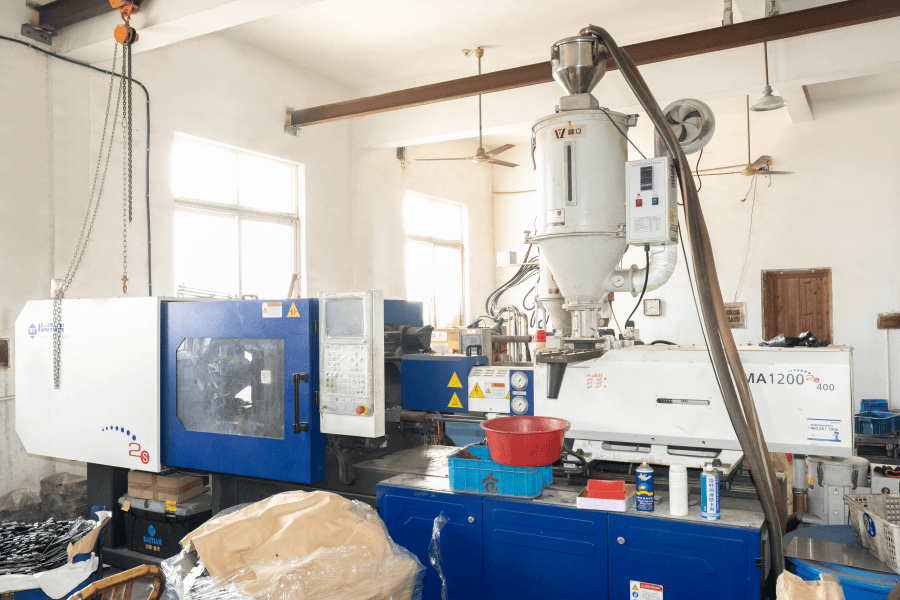
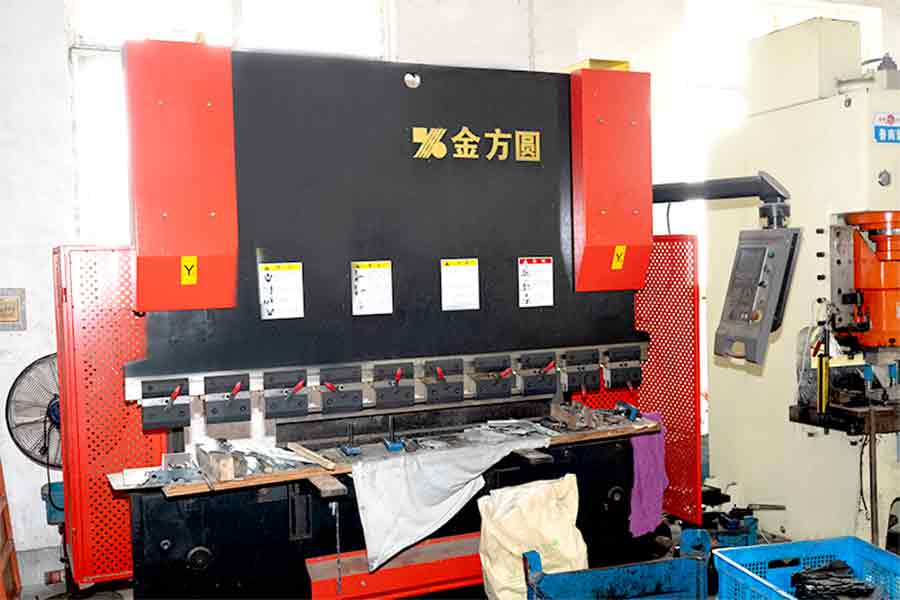
Ningbo Mingli Electric Technology Co., Ltd. is a Ningbo-based manufacturer and trading company founded in 2017. Its public profile describes custom development from customer drawings or samples, with production supported by stamping, sheet metal processing, welding, internal thread processing and plastic processing. The company states that it exports to Europe, the Americas, Southeast Asia and the Middle East, and that it works with different order quantities rather than a single standard batch size.
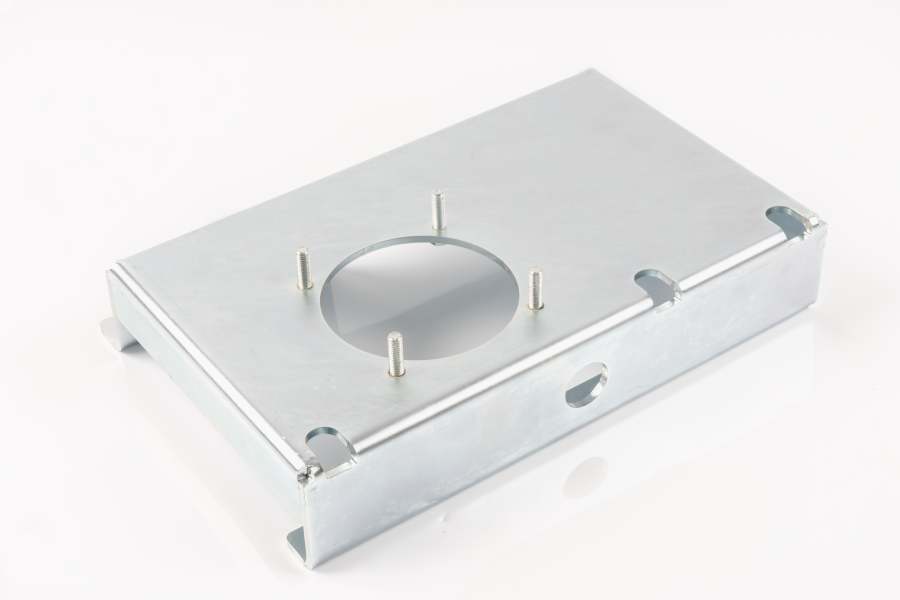
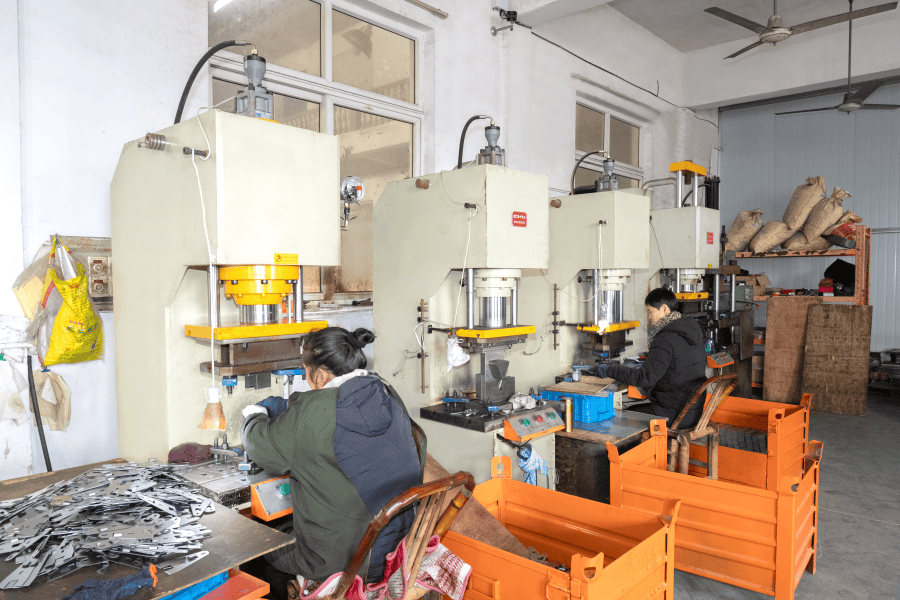 Custom Sheet Metal Processing ServicesMingli offers custom sheet metal stamping, CNC bending and post-processing from prototypes to volume, with in-house tooling and inspection for buyers needing one production plan.View Product →
For buyers whose parts require cutting, forming and finishing under one production plan, Mingli’s sheet metal processing capability is the relevant entry point. Its stated location about 25 km from Ningbo Port is a practical advantage for export logistics, although freight performance still depends on booking schedules and packaging.
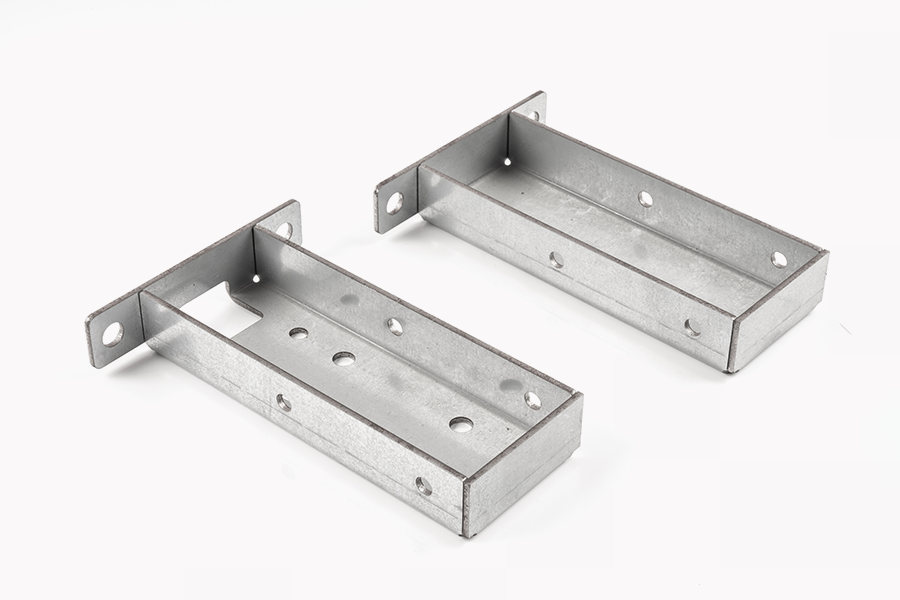
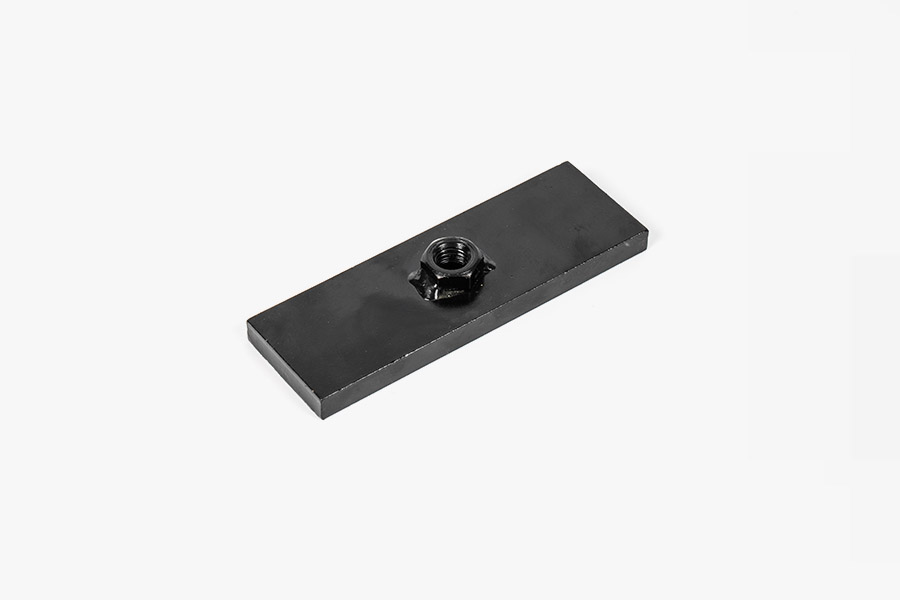
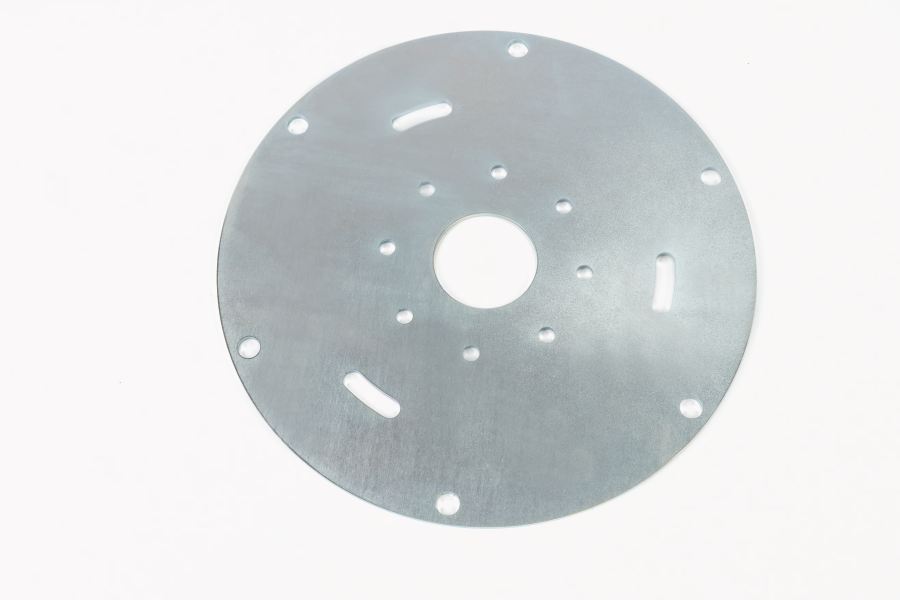 Custom Sheet Metal PartsThis category covers laser or waterjet cutting, bending, welding and assembly in carbon steel, stainless steel or aluminum, with surface treatments for varied batch sizes.View Product →
Mingli also lists sheet metal parts as a product category, alongside stamping metal parts and fabricated assemblies. Its public claims include more than 50 skilled employees, annual output above 5,000 tonnes and 8 years of industry experience; these are company-provided figures and should be verified through samples, first-article reports and factory discussion rather than treated as independently audited data.
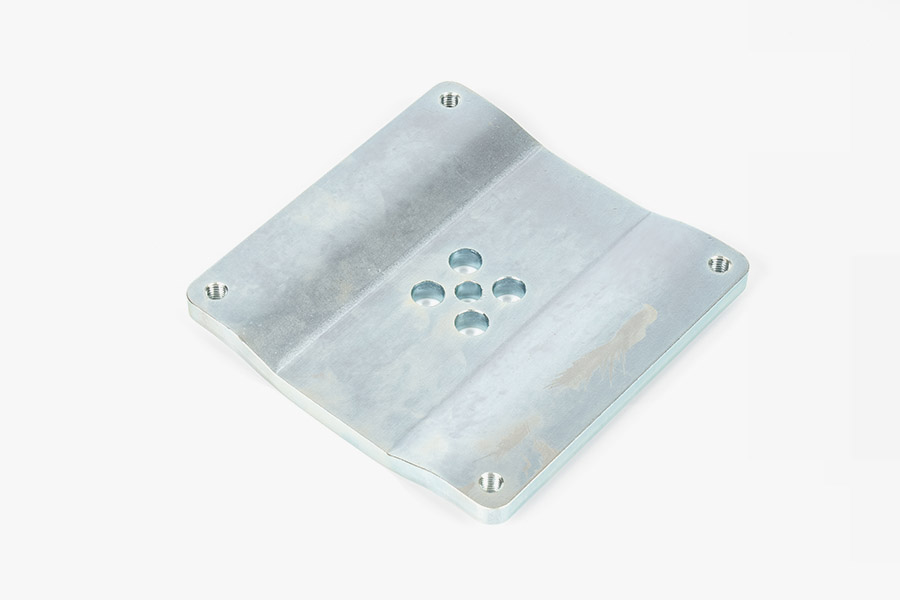
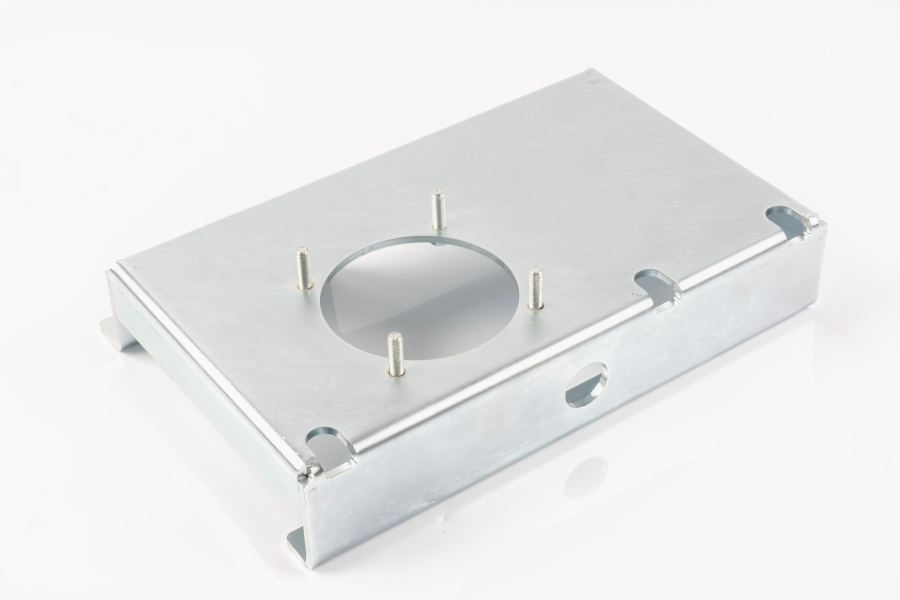 Custom Fabricated AssembliesThe category suits projects needing complete or near-complete assemblies, combining cutting, bending, welding, fastening, tapping, machining, painting and plating under one supplier.View Product →
For projects that combine sheet metal with welding, tapping or additional components, the fabricated assemblies route is more relevant than a single-process quote. The practical value is not the label itself but whether the supplier can control the interface between the formed part and the assembly—where tolerance stack-ups, finish damage and handling risk tend to appear.
Sheet metal processing rewards early clarity. Define the material, the functional datums, the finish and the assembly condition before the first production run, and the quote becomes easier to compare. Leave those points vague, and the lowest price may simply be the quote with the most assumptions hidden inside it. A supplier that can explain its process, inspect the critical features and control revisions is usually the safer choice for repeat production, even if its initial price is not the lowest on the table.
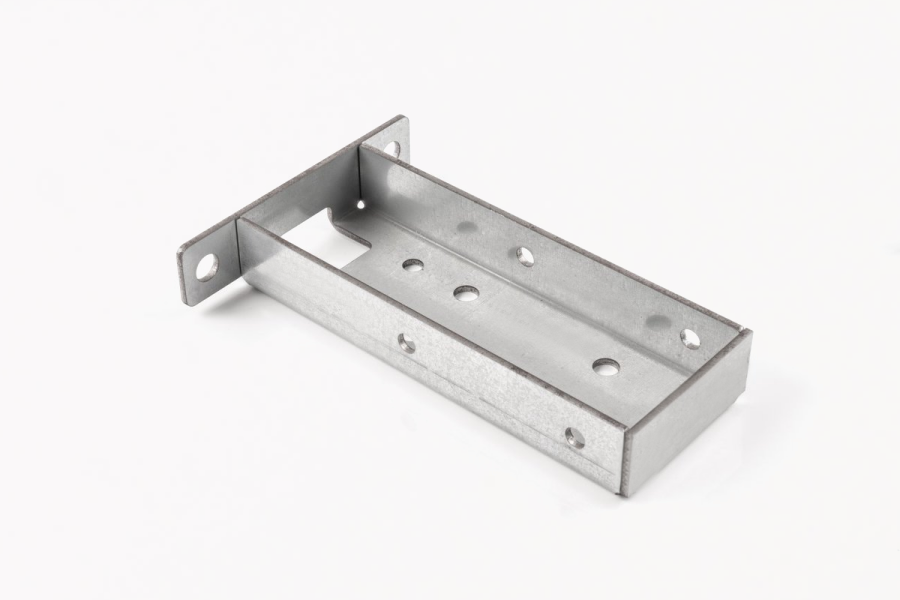

 Company Profile
 +86-189-57809418

 Zouxi Village, Tangxi Town, Yinzhou District, Ningbo City, Zhejiang Province, China

Copyright © Ningbo Mingli Electric Technology Co., Ltd. All rights reserved. Custom Hardware Parts Maunfacturers
