


 Eng
Eng 
 中文简体
中文简体
 Home / News / Industry News / Why Are Precision Sheet Metal Parts Essential for Modern Industrial Manufacturing?
 Why Are Precision Sheet Metal Parts Essential for Modern Industrial Manufacturing?
 2026.04.09
 Industry News
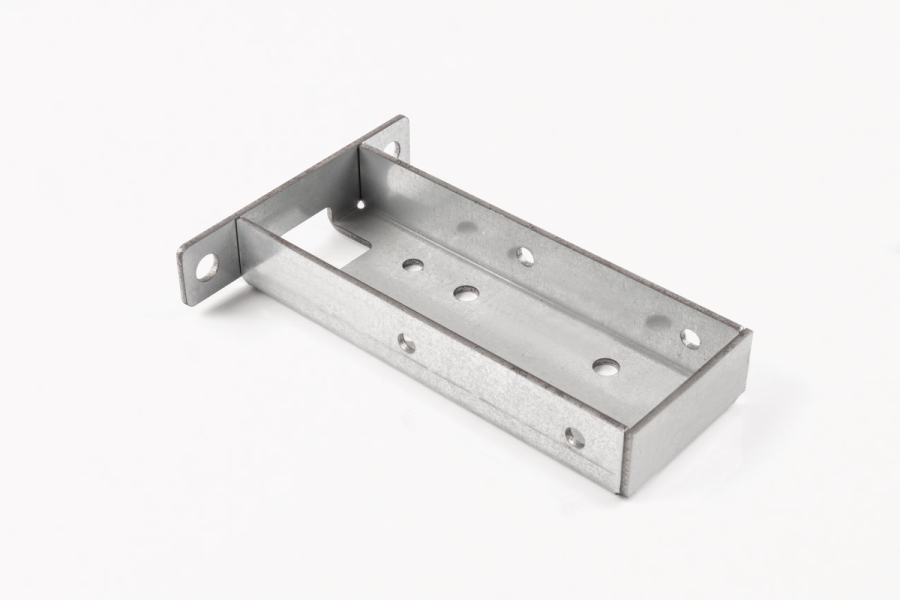
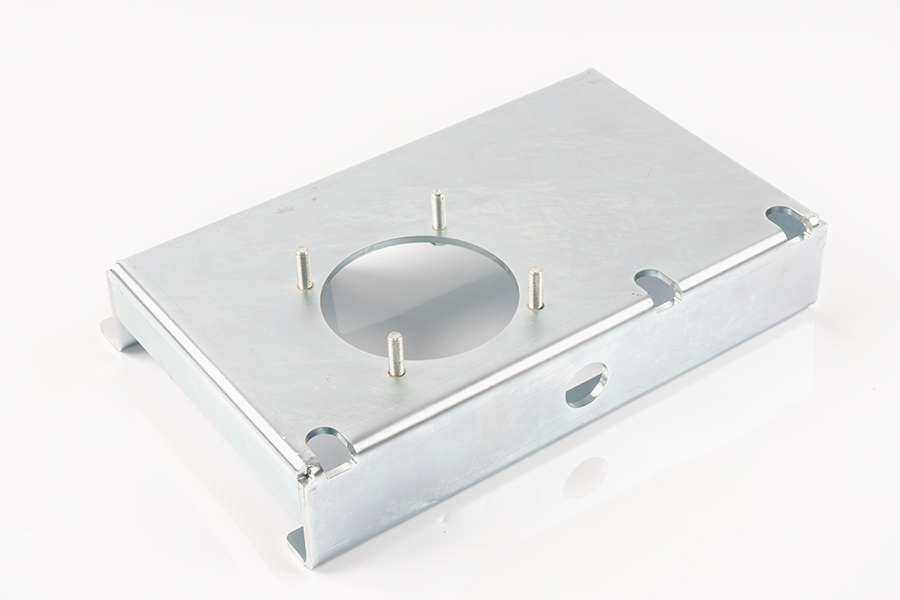
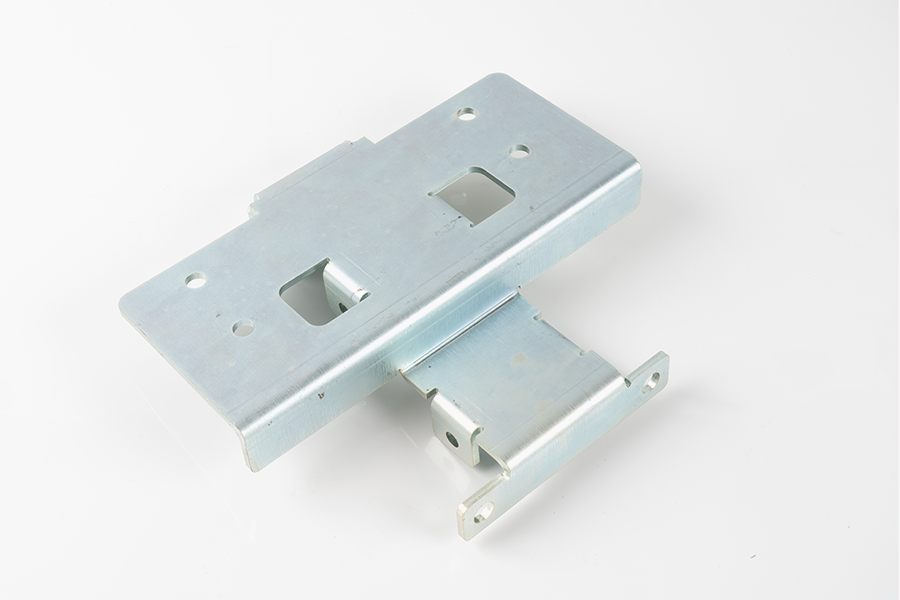
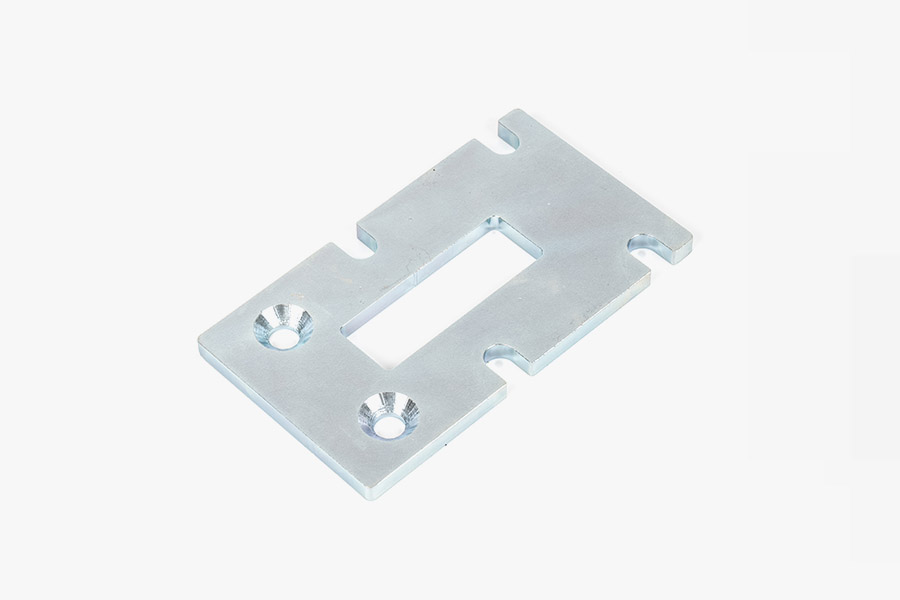
In the current landscape of high-precision engineering, Sheet Metal Parts have become the backbone of various sectors, ranging from aerospace and medical equipment to telecommunications and automotive assembly. The process of transforming thin, flat sheets of metal—primarily steel, aluminum, and brass—into complex functional components requires a sophisticated blend of mechanical force, thermal energy, and digital precision. Unlike cast or forged components, custom sheet metal parts offer an exceptional strength-to-weight ratio and a high degree of design flexibility, allowing engineers to create intricate enclosures, brackets, and panels that meet stringent dimensional tolerances. By mastering the core fabrication techniques such as laser cutting, CNC bending, and hardware insertion, manufacturers can produce high-quality sheet metal components that provide structural integrity and aesthetic appeal in even the most demanding operational environments.
How Do Advanced Fabrication Processes Ensure the Dimensional Accuracy of Sheet Metal Parts?
The transformation of raw material into a finished precision sheet metal part involves a series of highly controlled mechanical operations. Each stage of the process is designed to manipulate the metal without compromising its internal grain structure or surface finish.
-
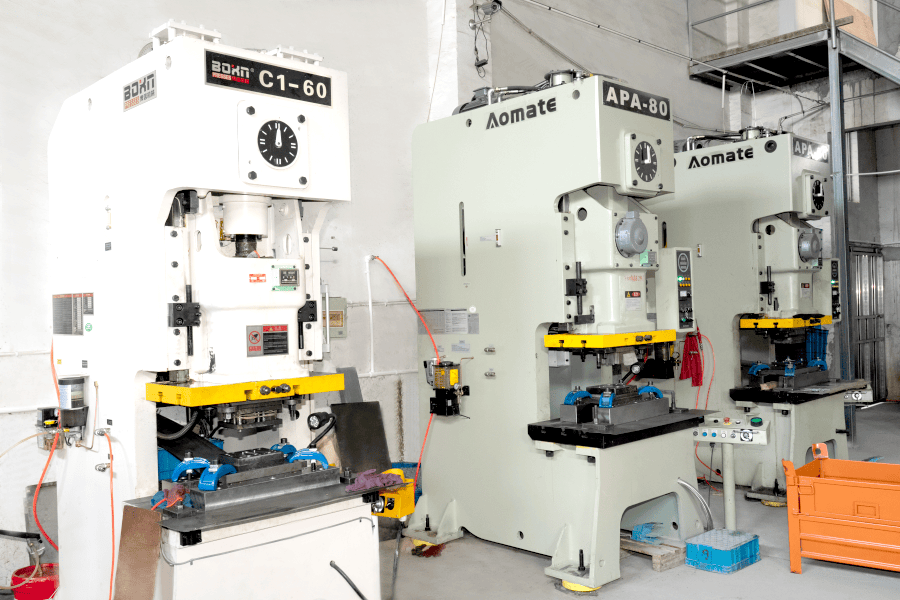
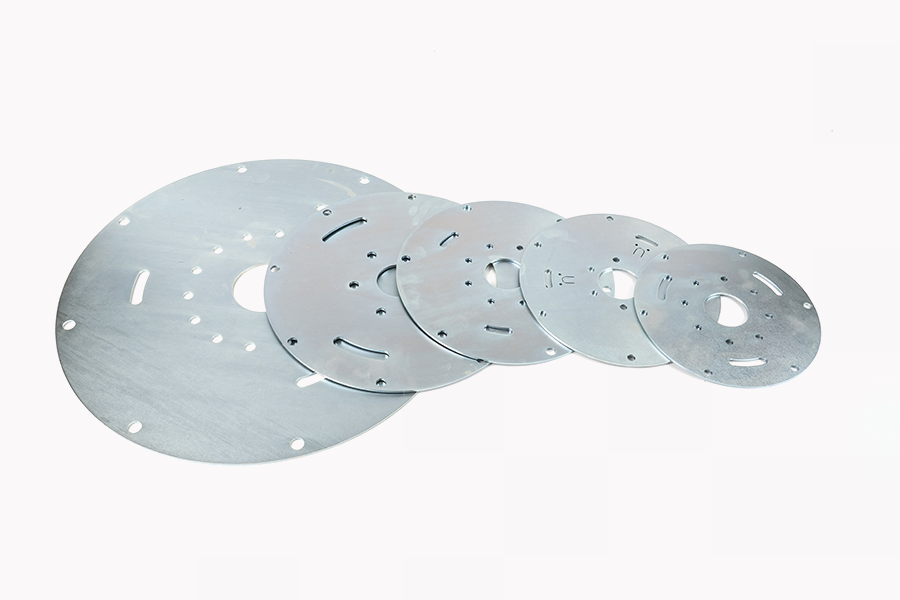
High-Precision CNC Laser and Plasma Cutting: The first step in producing a quality sheet metal component is the cutting process. Modern facilities utilize fiber laser cutting machines that can achieve tolerances as tight as ±0.05mm. These machines use a concentrated beam of light to melt or vaporize the material along a pre-programmed path, resulting in clean, burr-free edges that often require no secondary finishing. For thicker materials, high-definition plasma cutting may be used. The advantage of CNC laser-cut sheet metal parts lies in their repeatability; whether producing a single prototype or a batch of ten thousand, each part is identical to the digital CAD model, ensuring perfect fitment during final assembly.
-
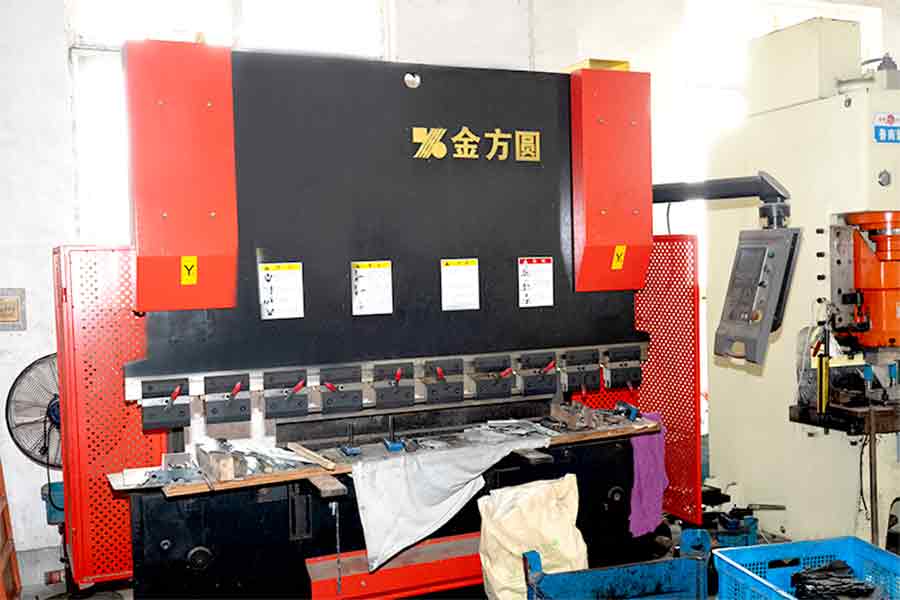
Complex CNC Bending and Forming Techniques: Once the flat blank is cut, it must be folded into its final three-dimensional shape. This is achieved using CNC press brakes, which apply massive pressure to a die and punch set. The engineering of precision bent sheet metal parts must account for "springback"—the tendency of the metal to partially return to its original shape after the pressure is released. Advanced software calculates the precise bend allowance based on the material's K-factor, thickness, and tensile strength. This ensures that features like mounting holes remain perfectly aligned after multiple bends, a critical requirement for electronic sheet metal enclosures and chassis.
-
Precision Hardware Insertion and Welding: To turn a bent piece of metal into a functional assembly, various types of hardware must often be integrated. Custom sheet metal fabrication frequently involves the installation of self-clinching nuts, studs, and standoffs (commonly known as PEM fasteners). These are pressed into the metal using hydraulic force, creating a permanent, high-torque bond. Furthermore, for parts requiring airtight or liquid-tight seals, TIG or MIG welding is employed. Welded sheet metal assemblies are then ground smooth to create a seamless appearance, which is particularly important for medical devices and high-end consumer electronics where surface consistency is a primary quality metric.
To help you understand the technical specifications involved in this industry, refer to the following table of typical Sheet Metal Parts attributes:
|
Feature Category |
Typical Specification |
Operational Benefit |
|---|---|---|
|
Material Thickness |
0.5mm - 6.0mm |
Versatility for lightweight and heavy-duty use |
|
Cutting Tolerance |
±0.05mm to ±0.1mm |
Ensures high-precision assembly fitment |
|
Common Materials |
AL 5052, CRS, Stainless Steel |
Wide range of strength and corrosion options |
|
Surface Finishes |
Powder Coating, Anodizing, Plating |
Enhanced durability and aesthetic appeal |
|
Processing Speed |
High-Velocity CNC |
Cost-effective production for large volumes |
What Are the Most Critical Applications for Custom Sheet Metal Components Across Diverse Industries?
The adaptability of Sheet Metal Parts allows them to serve as the structural "skin" and internal "skeleton" for almost every type of mechanical system. Their ability to be formed into complex shapes while maintaining thin wall sections makes them irreplaceable.
-
Telecommunications and Server Enclosures: The digital world relies on massive quantities of rack-mount sheet metal chassis. These components must be designed with intricate venting patterns to facilitate airflow and heat dissipation for high-performance servers. Fabrication of these telecom sheet metal parts involves complex punching and louvering to ensure that internal components remain cool while providing a rigid frame that can support hundreds of pounds of hardware. Additionally, electromagnetic interference (EMI) shielding is often integrated into the design, utilizing conductive gaskets and specialized plating to protect sensitive electronics from external radiation.
-
Aerospace and Automotive Structural Parts: In the transport sector, weight reduction is the primary driver for innovation. Aluminum sheet metal parts are extensively used in aircraft fuselages and automotive body panels because they offer high strength without the weight penalty of traditional steel. These parts often undergo specialized processes like stretch forming or hydroforming to create the aerodynamic curves necessary for fuel efficiency. The use of high-strength alloy sheet metal ensures that the vehicle can withstand extreme vibrational stresses and impact forces, providing a critical safety barrier for passengers while maintaining a lightweight profile.
-
Medical Equipment and Laboratory Housing: Hygiene and precision are the defining characteristics of the medical industry. Stainless steel sheet metal parts are the standard for surgical tools, diagnostic equipment housings, and laboratory furniture. Stainless steel (such as 304 or 316 grade) is preferred because of its inherent resistance to corrosion and its ability to withstand rigorous sterilization protocols involving high heat and harsh chemicals. The fabrication of medical-grade sheet metal components often requires "no-burr" finishing and specialized passivated surfaces to prevent bacterial growth and ensure the safety of both practitioners and patients in clinical environments.
How Should You Manage Quality Control and Surface Finishing for Sheet Metal Parts to Ensure Longevity?
The final quality of a Sheet Metal Part is determined not only by its dimensions but also by its surface treatment and the rigor of the inspection process. Without proper finishing, even the most accurately cut part can succumb to environmental degradation.
-
Advanced Surface Finishing for Corrosion Resistance: After fabrication, most industrial sheet metal parts receive a surface treatment to protect against oxidation. Powder coating is one of the most popular choices, providing a thick, durable layer of plastic resin that is baked onto the metal. This creates a finish that is resistant to chipping, scratching, and fading. For aluminum parts, anodizing is a common electrochemical process that thickens the natural oxide layer, providing excellent corrosion resistance and the ability to add vibrant colors. These finished sheet metal components are then capable of surviving decades of exposure to moisture, chemicals, and UV radiation without structural failure.
-
Automated Inspection and Geometric Dimensioning: To verify that every custom fabricated sheet metal part meets the customer's specifications, manufacturers utilize Coordinate Measuring Machines (CMM) and 2D optical scanners. These tools compare the physical part to the original 3D CAD data, identifying any deviations in hole placement, bend angles, or flatness. This level of sheet metal quality assurance is vital for assemblies that involve hundreds of interacting parts. By implementing Statistical Process Control (SPC), manufacturers can detect trends in machine wear or material inconsistencies before they result in defective parts, ensuring a consistently high yield.
-
Material Traceability and Packaging Protocols: For critical sectors like defense or aerospace, the pedigree of the raw material used in Sheet Metal Parts must be documented. Mill test reports (MTRs) verify the chemical composition and mechanical properties of the metal. Furthermore, the way parts are packaged for transport is crucial. Because sheet metal can have sharp edges or delicate finishes, parts are often interleaved with protective foam or custom-molded trays. Proper handling of sheet metal assemblies prevents scratching or bending during transit, ensuring that the "out-of-the-box" quality remains intact when the components reach the final assembly line for integration into larger systems.

 Company Profile
 +86-189-57809418
 Zouxi Village, Tangxi Town, Yinzhou District, Ningbo City, Zhejiang Province, China
Copyright © Ningbo Mingli Electric Technology Co., Ltd. All rights reserved. Custom Hardware Parts Maunfacturers
